 Skip to content
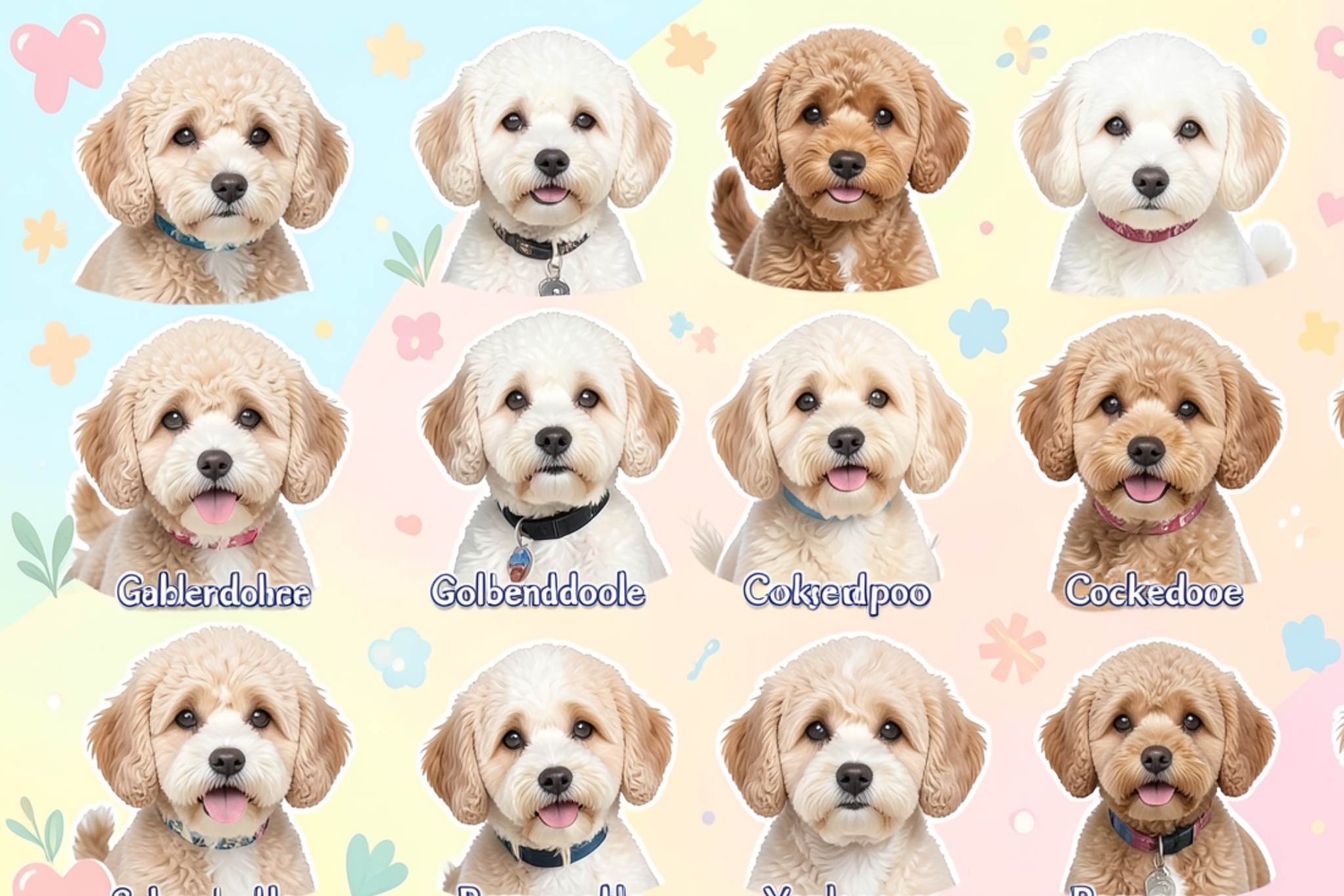
Love the friendly nature of a Golden Retriever but can’t stand the thought of vacuuming tumbleweeds of fur? You’re not alone. Many people seeking a poodle mix for allergy sufferers believe they’ve found the perfect solution in so-called hypoallergenic dogs. But here’s a secret that responsible breeders and veterinarians wish everyone knew: no dog is ever truly 100% hypoallergenic.
So, what’s the real story behind these popular low-shedding poodle crossbreeds? The benefit comes down to one word: dander. Most people are allergic to these invisible skin flakes, not the hair itself. A poodle’s curly coat is brilliant at trapping that dander close to the skin rather than shedding it into the air and onto your furniture. In practice, this dramatically reduces the amount of allergens in your home, but it doesn’t eliminate them entirely.
Because every person’s sensitivity is unique, this “low-allergen” advantage isn’t a universal guarantee. The most crucial step you can take before bringing a puppy home is to test your reaction firsthand. Try to spend a few hours with the specific poodle mix you are considering, perhaps by visiting a friend or a reputable breeder’s home. This simple test is the best way to see if a particular furry friend is the right, sneeze-free fit for your family.
From Teacup to Titan: How to Match a Poodle Mix’s Size to Your Home
You might see two dogs, both called “Goldendoodles,” where one could fit in a purse and the other could rest its head on your kitchen table. This huge variation can be confusing, but the secret isn’t in the “doodle” name—it’s in the Poodle parent. Understanding the three official Poodle sizes is the key to predicting how big your fluffy puppy will eventually get.
The size of the Poodle used in the breeding pair has the biggest impact on the final size of the mix. While there’s always some genetic surprise, breeders generally aim for predictable outcomes by pairing specific sizes.
- Toy Poodle Parent: Creates tiny companions (5-15 lbs) like a Maltipoo or Cavapoo. Their small size makes them some of the best small poodle mix breeds for apartments.
- Miniature Poodle Parent: Results in adaptable medium-sized dogs (15-30 lbs) like the classic Cockapoo, who fit well into most homes.
- Standard Poodle Parent: Produces the large to giant poodle mix breeds (50-90+ lbs) like Bernedoodles and the largest Goldendoodles.
Thinking about your own living space is the best way to choose. A tiny Toy Poodle mix will be perfectly happy with apartment life, while a large Standard Poodle mix needs a house with a fenced yard to truly thrive. But no matter the size, that beautiful, low-shedding coat requires significant upkeep. Before you fall in love with the fluff, it’s crucial to understand what it takes to maintain it.
The Hidden Cost of Fluff: Are You Prepared for Doodle Grooming?
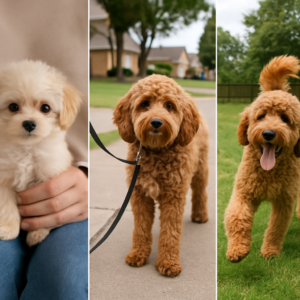
The biggest selling point of a poodle mix is often its famously low-shedding coat. But this wonderful perk comes with a significant trade-off: what you save on vacuuming, you will spend on grooming. Unlike dogs with fur that sheds out, a doodle’s hair just keeps growing, much like human hair. This means that without consistent maintenance, that beautiful fluff can quickly become a serious problem.
For most poodle mixes, professional grooming isn’t an occasional luxury—it’s a recurring necessity every 6 to 8 weeks. Factoring this into your budget is crucial, as a single appointment can cost anywhere from $80 to over $150, depending on your dog’s size and coat condition. Over a lifetime, these appointments are a major factor in how much do doodle dogs cost, proving that there are few truly low maintenance poodle crossbreeds.
If that hair isn’t cared for between professional grooms, it will form painful, tight knots called mats. These aren’t just messy tangles; they pull constantly on your dog’s skin, leading to irritation, pain, and even skin infections underneath. The dense, curly coats of popular mixes mean their grooming requirements are non-negotiable. In severe cases, the only humane solution is for a vet or groomer to shave the entire coat, which can be stressful for the dog.
Daily brushing is the best way to prevent this painful and costly issue. Taking just a few minutes each day to run a slicker brush and a comb through their coat stops knots before they can form, keeping your dog comfortable and their skin healthy. While this commitment is universal for doodles, the exact coat texture and needs can vary between mixes, including the two most famous examples: the Goldendoodle and the Labradoodle.
Goldendoodle vs. Labradoodle: Which Classic ‘Doodle’ Is Right for Your Family?
At first glance, Goldendoodles and Labradoodles look remarkably similar, and they are two of the most popular poodle crossbreeds for a reason. Both combine the Poodle’s intelligence with the classic appeal of a retriever. The real difference, however, comes from the non-poodle parent: the happy-go-lucky Golden Retriever versus the energetic, work-focused Labrador Retriever. This distinction helps in choosing the right fit for your family.
The Goldendoodle often inherits the famously sweet and sensitive nature of the Golden Retriever. Many owners describe them as goofy, gentle, and eager to please, making them a fantastic choice for first-time owners and families with children. While they still need regular exercise, they are often more content to have a lazy afternoon cuddling on the couch after a good walk. This patient temperament helps answer the question of are poodle mixes good family dogs with a resounding “yes.”
A Labradoodle, on the other hand, typically draws its personality from the boundless energy of the Labrador. These dogs are often more bouncy, athletic, and task-oriented. They thrive in active households that can provide plenty of stimulation, like hiking, running, and games of fetch. Without a “job” to do, their high intelligence can sometimes lead to mischievous behavior.
Here’s a quick breakdown of the goldendoodle vs labradoodle temperament:
| Trait | Goldendoodle (Golden Retriever Parent) | Labradoodle (Labrador Parent) | | :— | :— | :— | | Temperament | Often goofy, sweet, and more sensitive. | Typically energetic, bouncy, and work-oriented. | | Energy Level | Moderate to high; happy to relax after exercise. | Consistently high; needs a job to do. | | Coat | Tends to have a wavier or curlier coat. | More variation; can be wiry, wavy, or curly. |
But what if your home calls for something a bit smaller and calmer? For that, we turn to the charming, lap-sized doodles.
Calm and Cuddly: Choosing Between a Cavapoo and a Cockapoo
If your vision of the perfect companion is less about chasing frisbees and more about snuggling on the sofa, then the world of smaller poodle mixes is where you’ll find your match. Among the most beloved are the Cavapoo and the Cockapoo, two charming and intelligent breeds that are fantastic small poodle mix breeds for apartments. While they might look similar, their personalities are shaped by their non-poodle parent, creating two distinct types of companions.
For those asking, “what is the calmest doodle breed?”, the Cavapoo is often the top answer. This mix pairs a Poodle with the incredibly gentle and affectionate Cavalier King Charles Spaniel. The result is a dog that tends to be calmer, quieter, and deeply devoted to its people. With a typical cavapoo size and lifespan of 12-15 pounds and 13-15 years, they are perfectly suited for a more relaxed lifestyle, content with a daily walk and plenty of lap time.
In contrast, the Cockapoo brings a bit more spunk to the party. A cross with a Cocker Spaniel, these dogs are known for being more playful, curious, and outgoing than their Cavapoo cousins. They retain the loving nature you’d expect but often have more of that classic “happy dog” energy. A Cockapoo is still a wonderful and manageable apartment dog, but it will likely thrive with a bit more playtime and social interaction.
Beyond temperament, responsible breeding becomes crucial with these smaller mixes. The Cavalier parent, for example, is prone to specific heart conditions. This doesn’t mean your Cavapoo will have problems, but it does mean you should only work with a breeder who performs health checks on the parent dogs—especially heart screenings. Asking a breeder about this testing is one of the most important steps you can take.
Meet the Gentle Giants: Is a Bernedoodle or Sheepadoodle Your Ideal Match?
Moving up in size doesn’t necessarily mean ramping up the energy. For families wanting a large, impressive companion without the frenetic pace of a Labradoodle, the Bernedoodle and Sheepadoodle are top contenders. These giant poodle mix breeds inherit a calmer disposition from their non-poodle parents—the sturdy Bernese Mountain Dog and the wooly Old English Sheepdog. Both were originally working dogs, but they possess a more mellow, watchful nature compared to the high-octane retrieving drive of a Labrador or Golden Retriever. This makes them surprisingly well-suited for family life, provided you have the space.
The primary difference between them lies in their inherited personality quirks. The Bernedoodle often carries the Bernese Mountain Dog’s trademark loyalty and sweet, slightly goofy nature, but can also have a stubborn streak. The Sheepadoodle, on the other hand, tends to be more playful and bouncy, channeling the Old English Sheepdog’s “nanny dog” instincts. Both are highly intelligent and trainable, confirming their reputation as patient and loving family members.
Of course, welcoming one of these big, fluffy dogs into your home requires a reality check. A dog that can easily top 90 pounds needs more than just a big backyard; it needs a big car and a budget for significant food bills. Furthermore, their thick, beautiful coats demand serious upkeep. The bernedoodle grooming requirements, for example, are substantial, involving daily brushing and expensive professional grooming every 6-8 weeks to prevent painful matting.
Brains and Energy: Are You Active Enough for an Aussiedoodle or Irish Doodle?
If your ideal dog is a brilliant, four-legged partner for hiking, running, and endless games of fetch, then the Aussiedoodle or Irish Doodle might catch your eye. These energetic mixes combine the Poodle with two famously athletic and intelligent breeds: the Australian Shepherd and the Irish Setter. As a result, both the Aussiedoodle and Irish Doodle often sit at the very top of any poodle hybrid intelligence ranking. They learn commands with lightning speed and possess an incredible eagerness to work with their owners, making them some of the most trainable of all popular poodle crossbreeds.
However, this high intelligence comes with a non-negotiable requirement: stimulation. A bored Aussiedoodle is a mischievous one. Think of them as gifted children who need their minds occupied, or they will start inventing their own (often destructive) games. Without daily, vigorous exercise and mental challenges like puzzle toys, training sessions, or dog sports, these brilliant dogs can become anxious, bark excessively, or turn your furniture into a chew toy. They don’t have an “off” switch just because you’ve had a long day at work.
These breeds thrive with owners who see training and exercise not as chores, but as hobbies. An ideal home is one that can commit to at least an hour of activity every day and enjoys the process of teaching new tricks and skills. This commitment ensures you get a well-behaved companion instead of a frustrated genius.
What Do ‘F1’ vs. ‘F1B’ Mean? A Simple Guide to Your Poodle Mix’s DNA
As you browse breeder websites, you’ll quickly run into codes like “F1” or “F1B.” This isn’t just technical jargon; it’s a simple key to understanding your future puppy’s genetic makeup and, most importantly, what its coat might be like. Think of these as generation labels that tell you how much Poodle is in the mix. Understanding them is the first step in finding the right poodle mix for allergy sufferers.
The formulas are actually quite straightforward. Breeders use them to describe how a puppy was bred, which helps predict traits like shedding and coat texture. Here’s a simple breakdown of the most common F1 vs F1B doodle generations:
- F1: The “first generation” is a 50/50 cross between a purebred Poodle and another purebred, like a Golden Retriever.
- F1B: The “B” stands for back-cross. This is an F1 doodle bred back to a purebred Poodle, making the puppies about 75% Poodle.
- F2: An F2 doodle is created by breeding two F1 doodles together. Their traits can be very unpredictable.
So, why does this matter to you? If your top priority is a low-shedding, allergy-friendly coat, the F1B generation is often your safest bet. That higher percentage of Poodle genetics significantly increases the odds of getting that coveted wavy, hair-like coat. This predictability is valuable, which is why F1B puppies often come with a higher price tag. But remember, a predictable coat is only one piece of the puzzle. Finding a breeder who prioritizes health is even more critical.
How to Find a Responsible Breeder and Avoid Heartbreak
A predictable coat is wonderful, but a healthy, happy companion is the real goal. This is where your choice of breeder becomes the single most important decision you’ll make. Finding the right one isn’t just about buying a puppy; it’s about supporting someone who prioritizes the health and well-being of their dogs. Learning how to choose a reputable doodle breeder is your best defense against future heartache and vet bills.
A great breeder is an open book. They will invite you to their home (or do a detailed video call), let you meet the mother dog, and proudly show you health certifications for both parents. Think of these as official report cards from veterinary specialists that screen for common poodle mix health problems in the hips, eyes, and heart (you might hear them called OFA or CERF clearances). This testing is expensive, which is a major reason why well-bred doodles have a high price tag.
On the other hand, you must be prepared to walk away from irresponsible breeders and puppy mills—operations that treat dogs like products, not pets. These sellers often have slick websites and adorable photos, but their lack of care can lead to puppies with serious, costly health and behavioral issues down the line.
Trust your gut and watch for these major red flags. A responsible breeder will never:
- Refuse to show you proof of health testing for the parent dogs.
- Prevent you from seeing where the puppies are raised.
- Pressure you for an immediate deposit to “hold your spot.”
- Have many different “designer” breeds available at all times.
Your Poodle Mix Checklist: Are You Ready for Your New Best Friend?
Choosing the right poodle mix means looking beyond the adorable fluff to see the unique combination of size, energy, and grooming needs in every mix. This shift in perspective from admiring a “look” to assessing specific traits is the crucial first step toward responsible ownership.
To translate your new knowledge into the perfect choice, grab a pen and complete your final self-assessment. Answering honestly is the key to choosing a doodle you’ll love for a lifetime.
- My Lifestyle: Am I active and outdoorsy, or a calm homebody?
- My Home: Do I have a small apartment or a house with a yard?
- My Time: Can I commit to daily brushing and consistent training?
- My Budget: Am I prepared for regular professional grooming costs?
- My Family: Are kids, other pets, or allergies part of my equation?
There is no single “best poodle mix”—only the one that’s best for you. Use your answers to narrow your list to one or two contenders. Your confident next step is to begin researching responsible breeders for those specific mixes. You’re no longer just hoping for a good dog; you’re now equipped to find one.


