 Skip to content
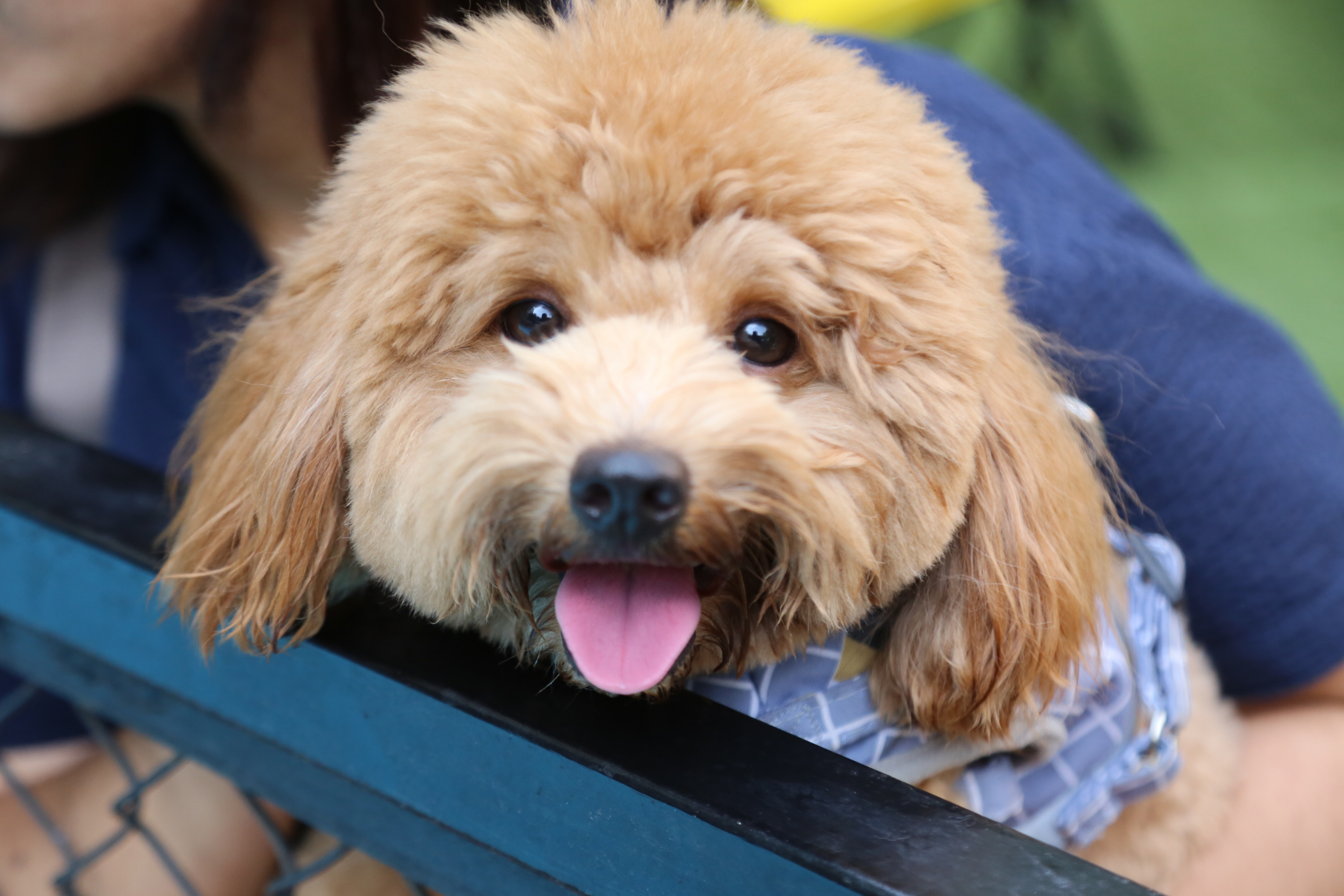
Have you seen the photos online of a tiny, fluffy dog that looks like a real-life teddy bear and can almost fit inside a coffee mug? It’s easy to see the instant appeal of the Teacup Goldendoodle. They promise all the friendly, intelligent charm of a Goldendoodle in a forever-puppy package. This incredible cuteness has made them one of the most popular and sought-after dogs on social media. Before you fall completely in love, however, it’s crucial to understand what this “teacup” label really means for both you and the dog.
In practice, terms like “Teacup Goldendoodle” and “Micro Mini Goldendoodle” are marketing labels, not official breed classifications. When people ask what is the smallest goldendoodle called, these are the names they find, but they don’t come from any official kennel club. Instead, these terms are used by breeders to describe a Goldendoodle bred to be significantly smaller than even a standard “mini” version. This is the first and most important thing to know: the “breed” you see online is more of a concept than a recognized, predictable standard.
This guide moves beyond the adorable photos to explore the realities of ownership. We cover everything from their likely temperament and daily care needs to the significant health risks and ethical questions surrounding the “teacup” breeding process. Possessing this knowledge allows you to make a responsible, informed decision, ensuring that if you do bring a dog into your life, it is a happy, healthy, and well-cared-for companion.
How Big Do Teacup Goldendoodles Actually Get?
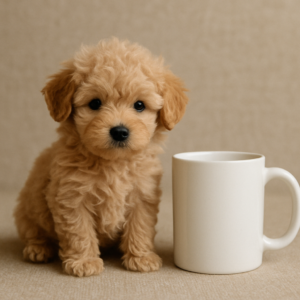
When you see the word “teacup,” it’s natural to picture a dog that will stay puppy-sized forever. However, since the Teacup Goldendoodle isn’t an official breed, there is no governing body to standardize its size. The terms “teacup,” “toy,” and “mini” are ultimately marketing labels used by breeders to describe their smallest dogs, and the results can vary.
While there’s no guarantee, these labels generally correspond to a certain size range. Understanding the difference between them is key to managing your expectations for a miniature Goldendoodle’s full-grown size. Most breeders follow these loose guidelines:
- Teacup Goldendoodle: Typically under 10 pounds and shorter than 11 inches at the shoulder.
- Toy Goldendoodle: Generally 10 to 20 pounds and between 11 and 14 inches tall.
- Miniature Goldendoodle: The largest of the three, usually weighing 20 to 35 pounds and standing 14 to 17 inches tall.
Remember, with a mixed-breed dog, genetics can be unpredictable. Even if a puppy’s parents are both tiny, it could still inherit a “tall” gene from a Golden Retriever grandparent and grow larger than expected. A puppy sold as a “teacup” might easily end up reaching a “toy” size. Responsible breeders will be transparent about this possibility and help you understand the potential size of a full-grown dog based on its parents and previous litters.
What Is a Petite Goldendoodle’s Temperament Really Like?
Given their Golden Retriever and Poodle ancestry, you can generally expect a Teacup Goldendoodle to have a bright and affectionate personality. They inherit the Poodle’s intelligence and the Golden Retriever’s famously friendly nature, making them charming and eager-to-please companions. These dogs thrive on being part of the family and are often described as sociable, playful, and deeply loyal. This combination of traits is a huge part of their appeal, as they seem to offer the ideal big-dog personality in a very small package.
However, their tiny size introduces some specific behavioral challenges. A common issue is severe separation anxiety. These dogs can become extremely distressed when left alone, leading to barking, chewing, or other destructive behaviors. Furthermore, their delicate build can sometimes lead to what is known as “small dog syndrome.” If they aren’t socialized properly, they can become fearful, which may come across as yapping or nipping at strangers or other dogs. Consistent and early training is essential to build their confidence and prevent these issues from developing.
The temperament of a petite goldendoodle is not a guarantee. As a mixed-breed dog, individual personalities can vary significantly. One puppy might be calm and cuddly, while a littermate could be more energetic and high-strung. A responsible breeder will focus on temperament just as much as appearance, selecting parent dogs that are confident and gentle. This is why talking to the breeder about the personality of a puppy’s parents is one of the best clues you’ll get about the dog you’re bringing home.
The Truth About “Hypoallergenic” Poodle Mixes and Grooming Costs
One of the most common reasons people seek out a Teacup Goldendoodle is the hope for a “hypoallergenic” dog. Because they are a small poodle mix, many assume they won’t trigger allergies. However, the truth is that no dog is 100% hypoallergenic. Allergies are caused by dander—tiny flakes of skin and dried saliva—not just hair. While their low-shedding Poodle coat can be a huge benefit for people with mild allergies because less dander is released into the air, it’s not a guarantee. The only way to know if you’ll react is to spend time with the dog first.
That beautiful, low-shedding coat also comes with a serious, non-negotiable commitment. Unlike dogs that shed, a Goldendoodle’s hair continuously grows. If it isn’t brushed daily and professionally trimmed, it quickly becomes tangled into tight, painful mats. Matting isn’t just a cosmetic issue; it pulls relentlessly on a dog’s delicate skin, causing pain, bruising, and even skin infections. To prevent this, your dog will need professional grooming every 6 to 8 weeks for its entire life, which is a major part of its care.
This essential grooming carries a significant financial cost. You should budget between $80 and $120 for each professional grooming session, which can easily add up to over $1,000 per year. This is a mandatory expense, as crucial to their wellbeing as food and vet visits. While grooming costs are a predictable part of ownership, other health expenses tied to their “teacup” size can be far more surprising and severe.
The Hidden Health Risks of Breeding for “Teacup” Size
While their small stature is the main appeal, it’s also the source of their most serious health concerns. The question “are micro mini goldendoodles healthy?” has a complicated answer rooted in how they are created. To achieve a “teacup” size, breeders must select the very smallest dogs to breed together—often the runts of litters who may already be weak. This practice of prioritizing extreme smallness over robust health creates dogs that are inherently fragile. Think of their tiny bodies as being under immense strain, trying to support organs and systems that haven’t been given a strong genetic foundation.
This fragile start in life leads to a high number of common health problems in small doodles. Their tiny frames simply can’t cope with the demands of normal life in the same way a sturdier dog can. Owners must be prepared for potential issues, including:
- Hypoglycemia: A sudden and dangerous drop in blood sugar, common because their bodies have no reserves. A missed meal can become a medical emergency.
- Collapsing Trachea: The windpipe is weak and can literally collapse, causing a chronic, honking cough and difficulty breathing.
- Heart Defects: Undersized hearts can struggle to function properly, leading to congestive heart failure.
- Luxating Patella: A condition where their kneecaps easily pop out of place, causing pain, limping, and eventually arthritis.
For an owner, these conditions are more than just medical terms; they represent a future of anxiety and expensive vet bills. An emergency visit for hypoglycemia or surgery to repair a collapsing trachea can cost thousands of dollars. The constant worry and special care required can also take a significant emotional toll, and tragically, these issues can shorten the micro goldendoodle life expectancy.
These significant risks are not an accident—they are a direct consequence of specific breeding choices. The difference between a healthy, well-bred dog and a sickly one often comes down to the breeder’s ethics and priorities. Understanding this is the first step in avoiding potential heartbreak and finding a truly healthy companion.
How to Spot a Responsible Breeder from a Puppy Mill
Given the health risks, finding a reputable breeder isn’t just a good idea—it’s the most important step you can take. Your goal is to find someone who prioritizes the well-being of their dogs over profit. This is the opposite of a puppy mill, which is a commercial, high-volume breeding facility that mass-produces dogs in poor conditions. These operations often sell online or through pet stores, making it easy to hide the sad reality from buyers. Learning to spot the difference is crucial for finding a healthy, well-adjusted companion.
A dishonest seller will often create a sense of urgency or make it difficult for you to see the full picture. Be on high alert for these common puppy mill signs:
- Secrecy: They won’t let you see where the puppies are raised or meet the mother dog.
- Age: They offer to sell you a puppy that is less than eight weeks old.
- Variety: They have many different breeds available at all times, like a retail store.
- Pressure: They push for a quick decision and require a deposit before you’ve asked questions.
- No Proof: They cannot or will not provide health clearances for the parent dogs.
On the other hand, a responsible breeder will welcome your questions and be transparent. They should be able to provide health clearances, which are official certificates (often from organizations like the Orthopedic Foundation for Animals, or OFA) proving the parent dogs were tested for genetic conditions like bad hips, heart defects, and eye problems. While the average price of a toy goldendoodle from a responsible source may be high—often $3,000 or more—that cost reflects years of health testing and quality care. This investment is your best insurance against the potential for future heartbreak and staggering vet bills.

The True Lifetime Cost of a Teacup Goldendoodle
While the average price of a toy goldendoodle from a responsible breeder—often $3,000 to over $5,000—can feel steep, it’s only the starting point. That initial investment covers careful breeding and early health checks, but the true cost of ownership unfolds over the dog’s lifetime. Factoring in regular expenses is essential to ensure you can provide the best care without financial strain.
The first year is typically the most expensive, as you’ll be paying for setup costs on top of recurring needs. A realistic budget shows how quickly things add up, often topping $7,000 or more in the first 12 months. Caring for a tiny poodle mix involves consistent financial commitments.
A sample first-year budget might look like this:
- Purchase Price: $3,000 – $5,000+
- Initial Vet Care & Supplies: $500 – $1,000 (vaccines, spay/neuter, crate, bed)
- Professional Grooming: $600 – $1,200 (every 6-8 weeks is non-negotiable)
- Food & Treats: $400 – $600
- Emergency Fund: $1,000+
Because these dogs are prone to common health problems, preparing for vet emergencies is not optional. You can do this by purchasing pet insurance or, just as importantly, by building a dedicated emergency fund of at least $1,000 to $2,000. Having this financial safety net ensures you can make decisions based on your dog’s health, not your bank account, when it matters most.
Is a Teacup Goldendoodle Right for Your Life? A Final Checklist
By now, you can see past the adorable photos and understand the significant health and ethical considerations behind the “teacup” label. You are now an advocate, equipped to prioritize a dog’s well-being over a trend.
Before you continue your search, take a moment for an honest self-assessment. A dog’s happiness depends on matching their needs to your reality. Ask yourself:
- Can I afford $1,000+ in potential emergency vet bills?
- Is someone home most of the day to prevent anxiety and manage feeding schedules?
- Is my home free of hazards for a tiny, fragile dog (e.g., small children, high furniture)?
- Am I truly willing to prioritize a dog’s health over its size?
If you hesitated on any of these questions, that’s a sign of responsible ownership, not failure. It shows you recognize that love means wanting a dog to be healthy, not just small. The search for a micro Goldendoodle is fraught with risks, and the debate between toy and mini sizes often overlooks that true health comes from ethical practices, not just a label.
This knowledge empowers you to find a wonderful companion without compromise. If you love the doodle look and friendly nature, consider a Miniature Goldendoodle from a breeder who proudly shares health clearances for the puppy’s parents. This gives you a happy, small dog that is built for a lifetime of play, not a lifetime of vet visits. Ultimately, choosing a healthy dog over the smallest possible one isn’t a sacrifice—it’s the first and most important act of love you can give your future best friend.


