 Skip to content

When you look into the clever, loving eyes of your Poodle mix, it’s hard to imagine life without them. Whether you have a tiny Cockapoo curled on your lap or a boisterous Goldendoodle chasing a ball in the yard, the question every owner has is the same: “How much time will we have together?” It’s a question rooted in love, and the answer is more hopeful—and more complex—than you might think.
The general life expectancy of a Poodle mix can range anywhere from 10 to a remarkable 18 years. This significant gap isn’t a mystery. Decades of data from veterinarians and breeders show that this wide range is influenced by predictable factors, with the most important one being your dog’s size. Simply put, smaller poodle crossbreeds almost always have a longer expected lifespan than their larger cousins.
Understanding the key factors that influence your dog’s longevity is empowering. It allows you to take clear, actionable steps—from diet to daily care—to help your best friend stay by your side for as many happy, healthy years as possible.
Why Size Is the Most Important Factor in a Poodle Mix’s Lifespan
When trying to estimate how long your Poodle mix will live, the first thing to consider isn’t the specific breed combination, but something much simpler: their size. It might seem counterintuitive, but across the entire dog world, a clear pattern emerges—smaller dogs tend to have significantly longer lifespans than larger ones. A tiny Maltipoo has a statistical advantage for longevity over a large Bernedoodle.
This size-longevity rule is especially relevant for Poodle mixes because the Poodle parent can be one of three sizes: Toy, Miniature, or Standard. This is why you can have a “Mini Goldendoodle” that weighs 25 pounds and a “Standard Goldendoodle” that weighs 75 pounds. The size of the Poodle used in the cross is the primary factor that determines your dog’s final size and, consequently, their general life expectancy.
While every dog is an individual, these estimates provide a reliable starting point:
- Toy Poodle Mixes (e.g., Maltipoo, Havapoo, some Mini Goldendoodles): 12-16+ years
- Miniature Poodle Mixes (e.g., Cockapoo, Medium Labradoodles): 12-15 years
- Standard Poodle Mixes (e.g., Standard Goldendoodle, Bernedoodle, Sheepadoodle): 10-13 years
Of course, size is only one part of the story. The other parent breed brings its own unique health profile into the mix.
The Other Half of the Equation: Health from the Parent Breeds
While size gives us a great starting point, it doesn’t tell the whole story. Think of your Poodle mix’s genetics like a health report card inherited from two different families. The Poodle parent passes down its set of traits, and the other parent breed—whether it’s a Golden Retriever, a Cocker Spaniel, or a Bernese Mountain Dog—passes down its own. Your puppy gets a combination of both.
On the Poodle side of the family, there are a few common health problems to be aware of. Poodles of all sizes can be prone to certain eye conditions, skin allergies, and dental issues. These are conditions that can be managed with good care, but they might be part of your dog’s genetic makeup.
Now consider the other parent. A Goldendoodle or Labradoodle, for example, might inherit the Golden or Labrador Retriever’s predisposition for hip and elbow dysplasia. With a Bernedoodle, you’re mixing the Poodle with a Bernese Mountain Dog, a breed known for joint issues and a shorter lifespan, which is why Bernedoodle common illnesses and age are such important considerations for owners.
Your dog’s health is a unique combination. They might dodge the issues from both sides, or they could inherit risks from each parent. Being an informed and proactive owner means knowing the potential risks from both sides of your dog’s family tree. This knowledge is the first step in providing them with the best possible care and helps you understand the truth about the popular idea of “hybrid vigor.”
“Hybrid Vigor”: Is a Poodle Mix Really Healthier?
You’ve probably heard the popular idea that mixed-breed dogs are healthier than purebreds. This concept is known as “hybrid vigor,” and the theory is that by widening the gene pool, you reduce the chances of a puppy inheriting the specific genetic problems common to one breed. While there can be some truth to this, it’s not a golden ticket to perfect health for your Doodle.
Hybrid vigor is not a magic shield. Your Poodle mix still has two purebred parents and can absolutely inherit health issues from both sides of the family. A Labradoodle, for example, could inherit a Poodle’s predisposition for eye problems and a Labrador’s tendency for hip dysplasia. The dog is a combination of its parents’ genetics, not an erasure of them. Relying on the idea that they are automatically healthier can create a false sense of security.
Many Poodle mixes are healthy, but their health is not guaranteed by their mixed-breed status. Instead of depending on the vague hope of hybrid vigor, the best strategy is to focus on what you can control. This proactive approach to daily care is far more impactful than genetics alone, and one of the most significant factors you can influence starts with what you put in their food bowl.
The Single Best Way to Increase Lifespan: A Healthy Diet and Weight
Of all the factors that influence how long your Poodle mix will live, the one you have the most direct control over is their weight. A landmark study on Labradors proved that keeping a dog at a lean, healthy weight can extend their life by nearly two years. The profound impact of diet on a Poodle mix’s healthspan cannot be overstated. Start by choosing a high-quality food where a named meat source, like chicken or salmon, is the first ingredient. This forms the foundation of preventative care, especially for growing Doodle puppies.
Don’t just rely on the scale; the ideal weight varies too much between mixes. Instead, use your hands and eyes for a simple “Body Condition Check” that vets use every day.
- Rib Check: Gently run your hands over your dog’s side. You should be able to feel their ribs easily with light pressure, but they shouldn’t be visibly sticking out.
- Waist Check: Look at your dog from above while they are standing. You should see a gentle, inward curve behind their rib cage, creating a visible “waist.”
- Tummy Tuck: View your dog from the side. Their belly should tuck upwards from the bottom of their rib cage toward their hind legs, not hang straight across or sag down.
Keeping your dog in this ideal condition through proper feeding is the most powerful tool you have to increase your Poodle mix’s lifespan. However, maintaining that lean muscle involves more than just portion control; it also requires the right kind of movement.

Why Your Poodle Mix Needs Both Physical and Mental Exercise
Keeping your dog lean requires the right kind of movement. The exercise needs of a Poodle mix vary dramatically with their size and parentage. While a daily walk and a romp in the park might be perfect for a spry Cockapoo, a larger Goldendoodle often needs a more sustained activity like a long hike or a game of fetch to truly burn off their energy and maintain healthy muscle.
Just as important as physical exercise is mental stimulation. Your Poodle mix has an incredibly sharp mind inherited from its Poodle parent, and a bored Doodle is often a destructive one. Providing activities that make them think—like puzzle toys, learning new tricks, or scent work games—is essential preventative care for Doodle puppies and keeps their minds sharp as they grow. This mental work prevents anxiety and strengthens your bond.
A tired dog is a happy dog, but a Poodle mix is only truly content when their brain is as tired as their body. This daily balance of mental and physical activity is a cornerstone of a long life. Paying attention to their energy can also help you spot early signs of aging, and when you do notice these changes, your veterinarian becomes your most important partner.
How Proactive Vet Care Can Prevent Future Heartbreak
Your veterinarian is more than just an emergency contact; they are your partner in your dog’s long-term health. While it’s tempting to only visit when something is wrong, proactive care is what truly extends those happy years together. Annual wellness exams establish a vital baseline of what’s normal for your specific dog, making it easier for you and your vet to spot subtle shifts long before they become serious issues.
These yearly check-ups are a comprehensive health review, not just a shot appointment. This consistent monitoring is especially crucial for young dogs, as good preventative care for doodle puppies sets the stage for a healthy adulthood. During these visits, your vet can catch the earliest signs of joint stiffness or dental problems, giving you a powerful head start on treatment and management.
For an even deeper look, many owners now use genetic testing for their poodle mix. These simple at-home kits don’t diagnose diseases; instead, they provide a roadmap of potential inherited risks from both parent breeds. For example, knowing your Bernedoodle might be predisposed to certain common illnesses as they age helps you and your vet watch for specific signs.
This forward-thinking approach, combining regular vet visits and genetic insight with core essentials like vaccinations and dental care, is the ultimate investment in your dog’s future. By focusing on prevention, you’re not just hoping for a long life—you’re actively building one.
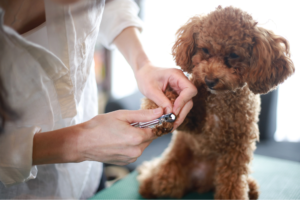
A Guide to Your Poodle Mix’s Senior Years
As your Poodle mix enters their golden years—which can start as early as age 7 for large Doodles or as late as 10 for smaller ones—you’ll begin to notice gentle shifts. The signs of aging are often subtle at first. You might see a slight cloudiness in their eyes (a normal change called lenticular sclerosis), notice they sleep more soundly, or find they’re a bit stiff after a long nap. These aren’t necessarily problems, but rather signals that it’s time to adjust their care.
The good news is that small changes can make a world of difference in their comfort. This simple senior care guide can help you support them through this new life stage.
- Switch to a senior-formula diet to support joint health and a healthy weight.
- Add orthopedic beds in their favorite sleeping spots to cushion stiff joints.
- Replace long runs with several shorter, gentler walks throughout the day.
- Use ramps to help them get into the car or onto the sofa without painful jumping.
- Increase vet check-ups to twice a year to stay ahead of any emerging issues.
While it’s tempting to see a retiree, remember that their mind and heart are as youthful as ever. Their need for engagement doesn’t fade, even if their energy does. Keep their minds sharp with puzzle toys and continue to shower them with affection. By focusing on comfort and adapting their routine, you can ensure their senior years are truly golden.
Your Checklist for a Longer, Happier Life With Your Poodle Mix
The number of years you have with your dog isn’t set in stone. While you can’t change their genetics, you have enormous power over their quality of life. Improving your poodle mix’s health starts with small, consistent actions. By focusing on a few key areas, you can build a strong foundation for a long and joyful partnership.
Your 5-Point Healthy Lifespan Plan:
- Maintain a Lean Body Weight.
- Provide Daily Mental & Physical Exercise.
- Schedule Annual (or Bi-Annual for Seniors) Vet Check-ups.
- Feed a High-Quality, Age-Appropriate Diet.
- Know Your Mix’s Parent Breeds & Watch for Specific Signs.
Ultimately, this isn’t about chasing a number on a chart. It’s about transforming these daily choices—the healthy meal, the game of fetch, the proactive vet visit—into the foundation of a long and joyful partnership. You have the knowledge not just to hope for more time with your best friend, but to actively build it, one happy, healthy day at a time.


