 Skip to content
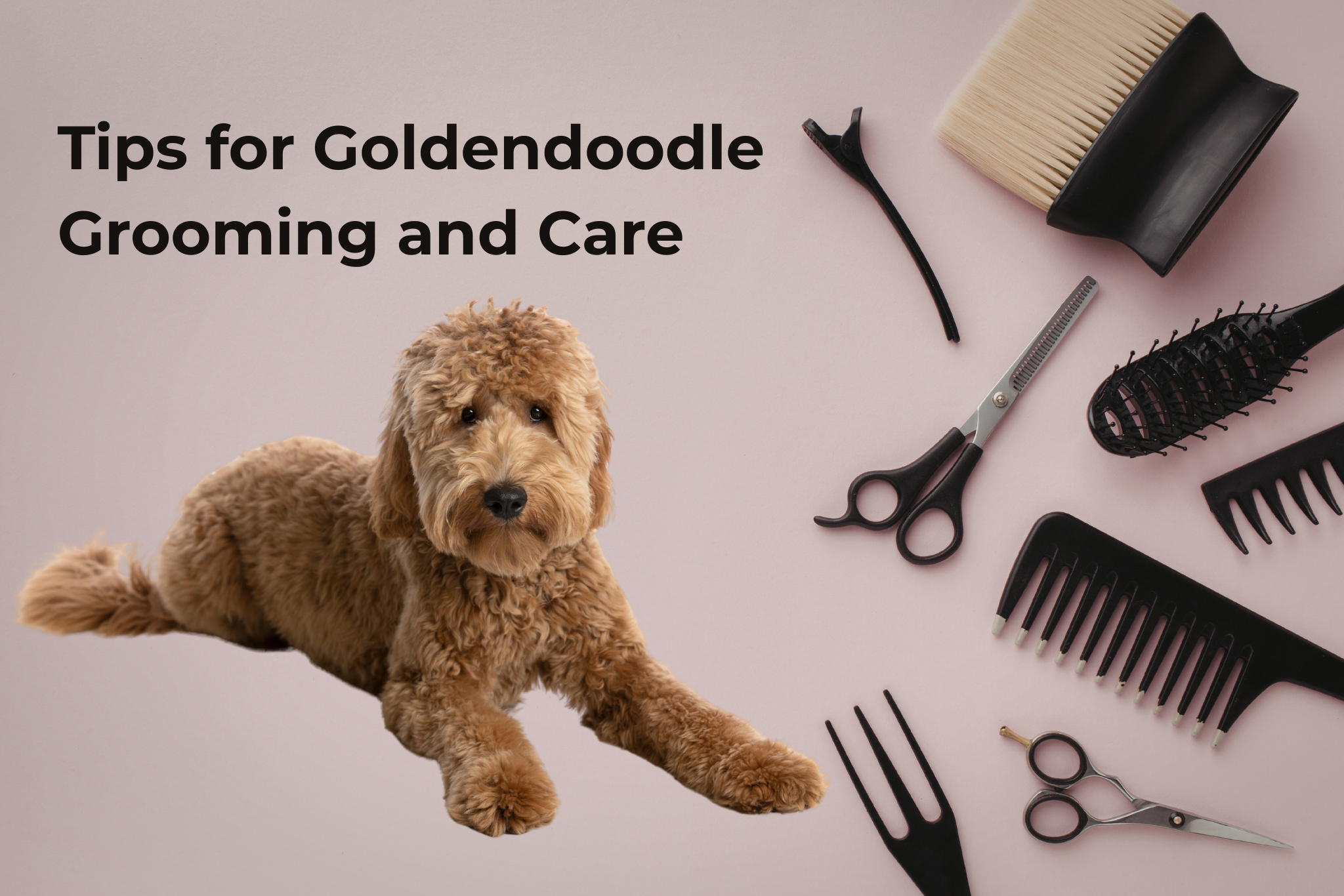
You brought home an adorable, fluffy Goldendoodle, the perfect teddy bear of a dog. But if you’re now fighting a losing battle against constant tangles and knots, you’re not alone. That incredible coat has a mind of its own, and the secret to a happy, mat-free doodle is far simpler than you think.
The number one myth about Goldendoodle maintenance is that “low-shedding” means low effort. In practice, groomers find the opposite is often true. Because their hair grows continuously—much like human hair—and doesn’t fall out, the loose strands get trapped within the coat. This quickly creates tight, painful mats close to the skin, a risk regardless of whether your dog’s coat is curly or wavy.
Keeping them comfortable and beautiful doesn’t require hours of work. The key isn’t infrequent, marathon grooming sessions; it’s a simple system of short, consistent care. This guide provides a clear, step-by-step Goldendoodle puppy care schedule you can build on, empowering you to prevent problems before they start, keep your dog healthy, and save you money on expensive emergency grooming fees.
Why Daily Brushing is Non-Negotiable for Your Goldendoodle
That famously low-shedding Goldendoodle coat comes with a significant trade-off. Instead of falling onto your floor, loose and dead hairs get trapped within the thick, curly coat. Without daily intervention, these trapped hairs begin to twist and tangle with the healthy hair, creating the number one health risk for this breed: matting. What starts as a small, invisible knot can quickly escalate.
Think of a single mat as a tight, painful clump of hair pulling constantly on your dog’s skin, like a knot you can’t get out of your own hair. These aren’t just unsightly; they are genuinely painful. A matted coat restricts airflow, traps moisture, and can hide nasty surprises like fleas, ticks, and even painful skin infections. In severe cases, the mats can become so tight they bruise the skin or restrict blood flow.
The key to preventing matting is understanding how quickly it happens. In high-friction areas—like behind the ears, in the armpits, and where the collar sits—a mat can form in as little as 24-48 hours. The good news is that a simple five-minute daily brush-through is all it takes to prevent hours of painful dematting later. To do the job right, you’ll need the proper tools.
Your Essential 2-Tool Goldendoodle Grooming Kit
Walking into a pet store’s grooming aisle can be overwhelming. With dozens of brushes, rakes, and gadgets all promising a perfect coat, it’s easy to waste money on tools that don’t work for your Goldendoodle’s unique fur. You only need two key items to keep your dog’s coat healthy, beautiful, and free of mats. Investing in the right pair from the start will save you time, money, and a lot of frustration.
Your first tool is the workhorse: a slicker brush. This is a wide-headed brush packed with fine, angled wire bristles. Its specific job is to penetrate the dense doodle coat, separate the hairs, and remove the loose undercoat that gets trapped and causes tangles. Look for a high-quality slicker with a comfortable grip and flexible head, which will make the process more comfortable for both you and your dog. This brush does the heavy lifting of detangling.
Your second, equally important tool is a sturdy metal comb, often called a “greyhound” comb. Think of this as your quality control inspector. After you’ve brushed a section with the slicker, you must go back over the same spot with the comb, making sure it can glide smoothly from the skin all the way to the ends of the hair. If the comb gets stuck, you’ve found a hidden tangle that the slicker missed. This simple check is the secret to a truly thorough brushing.
These two tools work as a team; one is not a substitute for the other. The slicker brush breaks up the tangles, and the metal comb ensures you didn’t miss a single one. Now that you have the right equipment, the next step is learning the technique that will make brushing an easy, and even enjoyable, part of your daily routine.
The Right Way to Brush Your Goldendoodle (and Avoid a Fight)
If your grooming sessions feel more like a wrestling match, it’s time to change the approach. The goal is to make your dog see brushing not as a punishment, but as a special time for treats and one-on-one attention. Start with very short, happy sessions, have a few high-value treats ready, give lots of praise, and be sure to stop before your dog gets fussy. This positive reinforcement is the key to turning a dreaded chore into a bonding moment.
The secret to effective brushing is strategy, not speed. Don’t just rake the brush over the top of the coat—that only buffs the surface and misses the tangles forming near the skin. Instead, you need to work in small, manageable sections. Focus on one area at a time, like one leg or a patch on their back, and brush it completely before moving on to the next.
Follow this simple, painless technique:
- Isolate a Section: Choose a small patch of fur to work on.
- Hold at the Base: Gently grasp the hair at the root, holding it against your dog’s skin. This is the most important step! It stops the brush from painfully pulling as you work out a tangle.
- Brush and Check: With your other hand, use the slicker brush to work from the skin outwards. Once it feels smooth, run your metal “inspector” comb through the same spot to guarantee you’ve removed every knot.
So, how often should you groom a goldendoodle this way? Aim for a quick check in tangle-prone areas (like behind the ears) daily and a full-body session weekly. This consistent maintenance is far more important than any fancy DIY Goldendoodle haircut. Once your dog is beautifully brushed, you might think it’s bath time, but there’s a right way to do that to avoid causing new mats.
How to Bathe Your Goldendoodle Without Causing Mats
After all that careful brushing, a bath might seem like the logical next step. But the single most important rule of doodle bathing is this: water is like glue for tangles. Bathing a dog with even small knots will cause them to shrink and tighten into dense, painful mats that are nearly impossible to remove. For this reason, always complete a thorough, full-body brushing before your dog ever gets wet.
Surprisingly, a key part of Goldendoodle maintenance is not over-bathing them. Unless they’ve had a particularly muddy adventure, your doodle only needs a bath every 4 to 8 weeks. Washing them too frequently can strip their skin of natural oils, leading to dryness and irritation. When you do bathe them, use a dog-specific shampoo and be sure to rinse thoroughly, as leftover soap can also irritate their skin.
The most critical part of bathing a Goldendoodle at home happens after they’re out of the tub. Letting that dense coat air-dry is a recipe for new tangles. Instead, use a blow dryer on a low or cool setting. As you dry one section at a time, brush through the coat continuously. This process separates the hairs, prevents them from curling into knots, and creates that signature fluffy finish. Once they’re dry, it’s the perfect time to check for another common problem exacerbated by moisture: ear infections.
The Secret to Preventing Goldendoodle Ear Infections
Those adorable, floppy ears are a Goldendoodle’s weak spot. They trap warmth and moisture, creating a perfect environment for bacteria and yeast to grow. Since hair often grows inside the canal, it further blocks airflow and traps debris. This combination is why doodles are so prone to painful ear infections, making proactive care a non-negotiable part of their maintenance.
The best defense is a simple weekly cleaning. Using a vet-approved solution, fill the canal and massage the base of the ear until you hear a squish. After your dog shakes, wipe the visible part of the ear with a cotton ball. Importantly, never stick cotton swabs or anything else deep into the canal, as this can cause serious injury.
You still need to watch for signs of trouble. Constant head shaking, scratching at the ears, or a bad, yeasty smell are red flags. If you see dark discharge or redness, it’s no longer a cleaning job. These symptoms mean it’s time to call your veterinarian for treatment.
Making this a weekly habit helps prevent one of the most common Goldendoodle health issues. Of course, care doesn’t stop at the ears. There are other essentials for keeping your doodle healthy from head to tail.
Beyond the Coat: Essential Nail, Dental, and Eye Care
A well-groomed coat is just the beginning; a truly healthy Goldendoodle is cared for from head to tail. For their nails, you don’t need a calendar—just use your ears. If you hear a distinct “click-clack” sound when your dog walks across tile or hardwood floors, it’s a clear sign their nails are too long. Keeping them trimmed prevents painful pressure on their toes and helps maintain a healthy posture.
Good Goldendoodle dental hygiene doesn’t require a toothbrush wrestling match. You can make a huge difference with two simple habits. First, giving your dog a daily dental chew helps scrape away plaque as they gnaw. For a more direct approach, you can simply wrap a piece of gauze around your finger and wipe their teeth and gums. Doing this a few times a week disrupts tartar before it becomes a costly problem.
Many lighter-colored doodles also require help with managing Goldendoodle tear stains. That reddish-brown discoloration under their eyes is caused by moisture, and while it’s usually harmless, the area needs to be kept clean to prevent skin irritation. Simply use a soft, damp cloth with warm water to gently wipe away the daily “gunk” that collects in the corners of their eyes. This simple cleanup prevents buildup and keeps their face fresh and comfortable.
Incorporating these checks into your daily routine takes just a few moments. While you’re cuddling on the couch, you can:
- Gently wipe any gunk from their eyes.
- Sniff their ears for any yeasty smells.
- Listen for nail clicking when they hop off the couch.
This daily diligence is your first line of defense. But for the bigger jobs like full haircuts and tricky nail trims, building a relationship with a professional groomer is your secret weapon.
When to Call a Professional Groomer (and What to Ask For)
Knowing when to deploy that secret weapon is key to your dog’s comfort and your sanity. While you can handle tiny knots with a comb, here is a non-negotiable rule: if a tangle is larger than your thumbnail or tight against the skin, do not try to cut it out with scissors. It is incredibly easy to slice a dog’s skin, which gets pulled up into the mat. This is the clear line where a home fix becomes a job for a professional, who has the right tools for preventing a mat from turning into a medical issue.
Once you’re at the salon, you don’t need to know all the fancy DIY Goldendoodle haircut styles. The most important request you can make is for a “sanitary trim,” which is a simple, hygienic clip around their bottom and private areas to keep them clean between full grooms. Your groomer will also be your best resource for choosing a haircut length that suits your lifestyle and how much brushing you can realistically commit to.
So, what does this partnership cost? The professional Goldendoodle grooming cost typically ranges from $80 to over $120, depending on your location and your dog’s size. However, this price can increase significantly with “dematting fees.” If a groomer has to spend an extra hour carefully and humanely shaving down severe mats, they will charge for that time. Consistent brushing at home is the single best way to avoid these expensive, and painful, surprise charges.
Ultimately, think of your groomer not just as a stylist, but as a crucial partner in your dog’s health who can spot skin issues or ear infections you might miss. They are an essential part of your care team. To make their job (and yours) as smooth as possible, all these tips come together in a simple action plan.
Your Goldendoodle Care Action Plan: A Simple Checklist for Success
Where Goldendoodle maintenance once seemed like a confusing puzzle, you now have a clear path forward. You’ve moved past the “low-shedding” myth and can confidently prevent painful mats before they ever start, armed with the right tools and a simple plan.
Knowing how often to groom a Goldendoodle is the secret, and this simple schedule makes it manageable. This is your blueprint for an effective Goldendoodle puppy care schedule and long-term health.
Your Weekly Doodle Care Rhythm
- Daily (5 mins): Quick body brush, check and wipe eyes.
- Weekly (30 mins): Thorough section-by-section brush and comb, plus ear cleaning.
- Monthly: Bath (always after brushing!), and check if nails need a trim.
This routine is more than a chore; it’s a daily promise to your dog. Each five-minute brush builds trust and ensures your best friend is healthy and comfortable. You’re not just maintaining a coat—you’re strengthening a bond, one gentle stroke at a time.


