 Skip to content
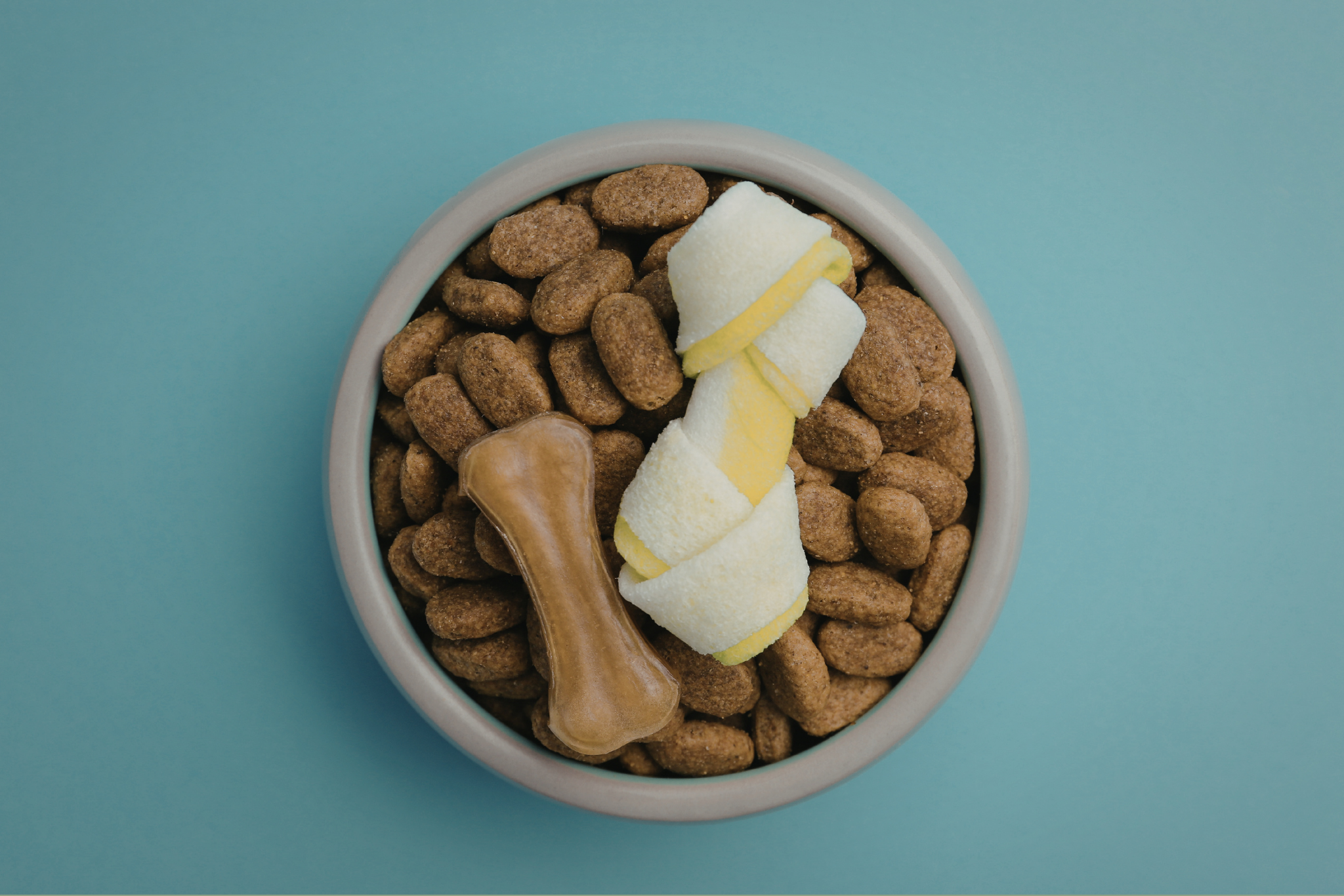
Walking down the dog food aisle can feel like a pop quiz you didn’t study for. For a Golden Retriever owner, the stakes feel even higher. You want to protect those famously happy joints and keep that coat brilliant, but with so many options, where do you even begin? Let’s cut through the noise and build a simple framework for choosing a food that truly supports your golden companion.
Your Golden’s joyful enthusiasm and sturdy frame are part of their charm, but they also create specific health vulnerabilities. According to veterinary consensus, their diet needs to address three key areas: stress on their joints from an active lifestyle, a predisposition to skin sensitivities, and a tendency to gain weight. This means the ideal nutritional requirements for adult golden retrievers go far beyond just meeting basic energy needs.
Think of their food as a daily investment in their health infrastructure. A formula with built-in joint support supplements isn’t just a bonus; it’s preventative maintenance for their active hips and elbows. Similarly, a proper weight management diet for golden retrievers is one of the most powerful tools you have to protect their long-term health. Knowing what to look for on the label is how you make that investment count.
Teaches how to find and understand the AAFCO nutritional adequacy statement and what “complete and balanced” actually means
Before you look at the promises on the front of the bag, your first move should be to flip it over. You’re searching for the most important sentence on the entire package: the AAFCO nutritional adequacy statement. Think of AAFCO (The Association of American Feed Control Officials) as the group that creates the rulebook for pet food nutrition. A food labeled “complete and balanced” must have this statement, which is your guarantee that it provides all the essential nutrients your Golden needs to thrive.
This small block of text, usually found near the ingredient list, will specify which life stage the food is for. You’ll see phrases like “for adult maintenance” (for your full-grown companion) or “for growth” (essential for puppies). For a Golden Retriever, choosing a large-breed puppy formula is critical for steady bone development. A food “for all life stages” is another option, as it’s formulated to meet the high demands of a growing puppy.
Making this your non-negotiable first check is the fastest way to vet any potential food. If a bag doesn’t have an AAFCO statement, it is not a complete meal and shouldn’t be your dog’s main diet—no matter how impressive its other claims are. Once you’ve confirmed the food passes this fundamental test, your next mission is to look at what it’s actually made of.
How to Judge a Food in 5 Seconds: Decoding the First 5 Ingredients
After finding the AAFCO statement, zoom in on the ingredient list. Here’s a simple trick: focus on the first five. Since ingredients are listed by weight, these make up the bulk of the food. This “Rule of Five” is the fastest way of reading dog food labels to get a real sense of a food’s quality without needing a science degree.
For a high-protein food fit for an active Golden Retriever, you want a named animal protein leading the charge—like “deboned chicken” or “lamb meal.” Don’t be concerned by the word “meal.” It’s simply the meat with most of the water removed, creating a concentrated protein source that’s a fantastic, nutrient-dense ingredient.
Be on the lookout for a labeling trick called “ingredient splitting.” This is where parts of one ingredient are listed separately—like “peas, pea protein, and pea flour”—to make them appear farther down the list. If combined, they might actually outweigh the meat source, which is something you want to know.
This simple method helps you compare bags at a glance. But a big question often remains for Golden Retriever owners: what about grains?
The Truth About Grain-Free Food for Golden Retrievers
You’ve likely seen “grain-free” marketed as the premium, healthy choice, making it a tempting option for your Golden. For years, it was the biggest trend in the pet food aisle. However, recent veterinary findings have prompted experts to take a much closer look, and the conclusion is especially important for Golden Retriever owners.
A few years ago, the U.S. Food and Drug Administration (FDA) began investigating a potential link between certain diets and a serious heart condition called Dilated Cardiomyopathy (DCM), where the heart muscle weakens and enlarges. Golden Retrievers were one of the most frequently reported breeds. The investigation noted that many of the associated diets were labeled “grain-free,” often replacing grains with high quantities of legumes like peas, lentils, and potatoes.
Because of this risk, the advice from most veterinary nutritionists has shifted dramatically. They now generally recommend that unless your dog has a specific, diagnosed grain allergy—which is quite rare—you should opt for a high-quality, grain-inclusive diet. The focus has moved away from avoiding grains and toward choosing brands with a long history of research and nutritional expertise.
A far more reliable benchmark than a “grain-free” sticker is to look for foods made by companies that follow the guidelines of the World Small Animal Veterinary Association (WSAVA). This indicates a commitment to feeding trials, quality control, and scientific formulation. By choosing a food based on this standard of research, you’re not just navigating a trend; you’re actively supporting your Golden’s long-term health, from their heart to their active joints and shiny coat.
What to Look for to Support Your Golden’s Joints and Coat
Golden Retrievers are prone to joint issues like hip dysplasia, so proactive support from their diet is key. High-quality large breed formulas often include glucosamine and chondroitin to help maintain healthy cartilage—the natural cushion in their joints. You can find these ingredients listed on the bag, a great sign the food is formulated for your Golden’s long-term mobility and comfort. Their inclusion shows the manufacturer is paying attention to the specific needs of large, active dogs.
That beautiful golden coat also needs the right fuel. If your dog suffers from dry, itchy skin or a dull coat, their food could be a factor. Look for formulas rich in omega-3 and omega-6 fatty acids. These healthy fats, from sources like fish oil, salmon, or flaxseed, are essential for supporting a strong skin barrier and can help soothe the sensitivities and allergies common in the breed.
To see exactly how much of these beneficial ingredients are included, find the Guaranteed Analysis panel on the bag—it’s just like a nutrition facts label for your dog. This box lists the minimum percentages for key nutrients, often including specific levels for omega fatty acids, glucosamine, and chondroitin. It provides the hard numbers to back up a brand’s claims, helping you compare formulas more accurately. Getting this balance right is crucial at every age, but does that mean special puppy or senior food is really necessary?
Is Puppy, Adult, or Senior Food Just a Gimmick?
While it’s easy to be skeptical of marketing, feeding for your dog’s life stage is one of the most impactful choices you can make, especially for a large breed like a Golden Retriever. These formulas aren’t a gimmick; they are tailored to provide specific nutritional balances for growth, maintenance, and aging.
For a Golden Retriever puppy, this is non-negotiable. They need a food specifically labeled for “large breed puppies.” This isn’t just about smaller kibble. These formulas contain carefully controlled levels of calcium and phosphorus. Too much calcium can cause their bones to grow too rapidly, leading to a higher risk of the very hip and elbow problems their breed is prone to. Think of it as building a strong frame at a steady, safe pace.
Once your Golden is physically mature, typically around 15 to 18 months, you can transition to a high-quality adult maintenance formula. Then, as your dog enters their golden years around age seven or eight, switching to a senior diet becomes beneficial. Senior formulas are typically less calorie-dense to help prevent weight gain in less active dogs—a crucial step in protecting aging joints from extra strain.
Choosing the right formula for your dog’s age is the foundation of a great diet. But even the perfect food can cause problems if the serving size is wrong. So how do you know if you’re feeding too much or too little?
How to Know If You’re Feeding Too Much or Too Little
The feeding chart on your dog food bag is a helpful starting point, but it’s just an average. It doesn’t know if your Golden spent the day hiking with you or napping on the cool kitchen floor. Because Golden Retrievers are prone to gaining weight—which puts serious stress on their joints—relying solely on that chart is a common mistake. The best way to determine the right amount is to learn how to read your dog’s body, not just the bag.
Instead of measuring cups alone, use your hands and eyes. Veterinarians rely on a simple, hands-on method called the Body Condition Score (BCS) to assess a dog’s weight, and you can easily do it at home. This is the most accurate way to ensure your Golden stays lean, which is one of the most effective things you can do to protect their hips and elbows from strain.
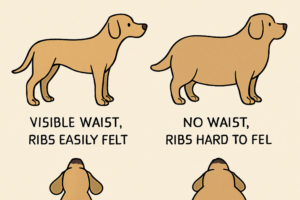
To do the check, gently run your hands along your dog’s ribcage. You should be able to feel individual ribs without pressing hard, but they shouldn’t be sharply visible. When you look at your dog from above, you should see a defined, hourglass-like waist behind their ribs. As the image here shows, a dog at a healthy weight also has a tummy that tucks up when viewed from the side. If you can’t feel ribs or see a waist, it’s a sign to slightly reduce their daily portion.
Putting It All Together: A Final Checklist for Choosing the Best Food
Walking down the dog food aisle no longer has to feel like a test you can’t pass. You’ve moved beyond the flashy packaging and now have the skills to look at a bag and see what truly matters: the science-backed nutrition inside. You’re not just a consumer anymore; you’re your Golden Retriever’s informed health advocate, equipped to make a confident choice for their well-being.
To make your next trip to the store or website simple, use this five-point best dog food checklist. It’s your new tool for understanding how to choose dog food, whether you’re reading Royal Canin Golden Retriever food reviews or comparing Purina Pro Plan vs Hill’s Science Diet.
5-Point Golden Retriever Food Checklist:
- AAFCO Statement: Is it ‘Complete & Balanced’ for my dog’s life stage?
- First Ingredient: Is it a named animal protein (e.g., ‘Chicken’, ‘Lamb Meal’)?
- Brand Reputation: Does the brand meet WSAVA guidelines (conducts feeding trials, employs veterinary nutritionists)?
- Breed-Specific Support: Does it contain ingredients for joint health (glucosamine) and skin/coat (omega-3s)?
- Life Stage Appropriate: Is it formulated for a puppy, adult, or senior Golden?
Every time you fill their bowl, you’re making a choice that builds the foundation for their health. By trusting research over marketing fads, you’re doing more than just feeding them—you’re investing in more joyful greetings at the door, more energetic games of fetch, and more healthy years with your beautiful, loyal companion.


