 Skip to content
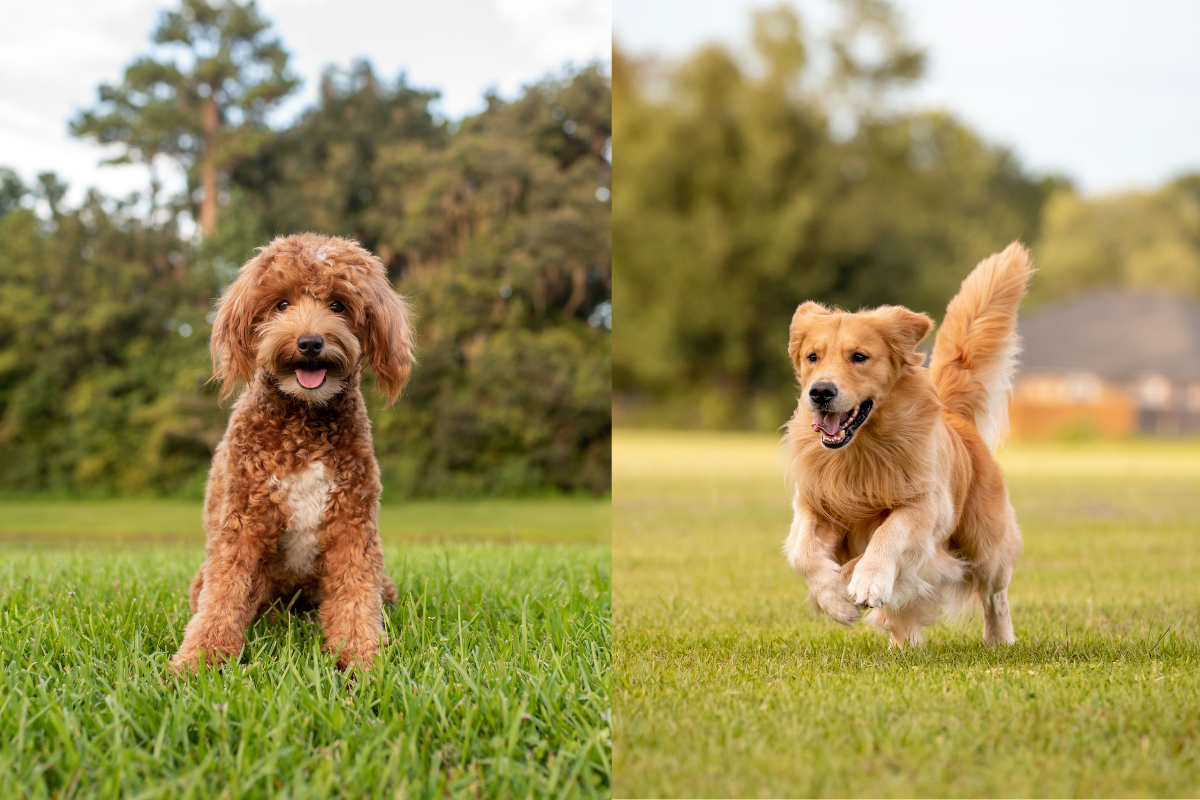
Choosing between the classic, dependable Golden Retriever and the adorable, fluffy Goldendoodle? It’s a popular dilemma for a reason. While both make wonderful companions, the right choice for your family depends on your lifestyle, budget, and—perhaps most importantly—your tolerance for finding dog hair on everything you own. The decision isn’t about which dog is “better,” but which dog is a better fit for you.
At its core, the choice comes down to predictability versus possibility. As a purebred dog, the Golden Retriever has been developed over generations to have a consistent temperament and look; you largely know what you’re getting. A Goldendoodle, as a cross between a Golden Retriever and a Poodle, is more of a genetic lottery. The goal is to get the Golden’s friendly nature with the Poodle’s low-shedding coat, but how those traits appear can vary from one puppy to the next.
To make a confident choice, you need to understand the real story on shedding, the time and money required for grooming, and their daily energy needs. This guide explores those key differences, helping you find the perfect canine partner for your life.

The Golden Retriever: What to Expect from This Predictable Classic
When you picture the quintessential family dog, a Golden Retriever likely comes to mind. This isn’t by accident. Goldens are a purebred dog, meaning they’ve been bred for generations to have a consistent look and personality. Originally developed in the 19th-century Scottish Highlands, they were hardworking gundogs, tasked with retrieving waterfowl for hunters. This history directly shapes the dog we know today; their famous gentle mouth and eager-to-please nature were essential for cooperating with a human partner, which is why their trainability remains one of their most beloved traits.
That beautiful golden fur also has a job. It’s a dense double coat—a soft, insulating undercoat protected by long, water-repellent outer hairs. This design was perfect for swimming in cold Scottish lochs, but for modern families, it comes with a major consideration. So, do Golden Retrievers shed a lot? The answer is a definitive yes. They shed moderately year-round and “blow” their coat heavily twice a year, leaving a trail of hair on floors and furniture.
The key advantage of a Golden Retriever is its predictability. From their friendly disposition to their exercise needs and, yes, even their shedding patterns, you have a very clear picture of the dog you are bringing into your home. This consistency is the hallmark of a well-established purebred.
The Goldendoodle: What Does “Designer Dog” Actually Mean?
So, where does the popular Goldendoodle fit into the picture? This famously fluffy “designer dog” is a crossbreed, created by intentionally mixing a Golden Retriever with a Poodle. While the Golden Retriever offers predictability, the Goldendoodle introduces a new set of exciting—and variable—possibilities. Understanding this fundamental difference is key when choosing between a Goldendoodle and a Golden Retriever.
The original idea was brilliant: combine the Golden Retriever’s gentle nature with the Poodle’s high intelligence and, crucially, its low-shedding coat. The initial goal was to create a guide dog suitable for handlers with allergies. These Poodle mix characteristics resulted in a clever, friendly companion that sheds significantly less than its purebred parent, making it a popular choice for families who want to spend less time vacuuming.
However, this is where a purebred vs a designer dog differs most. Unlike a Golden Retriever, where generations of breeding ensure you know what you’re getting, a Goldendoodle is a genetic lottery. One puppy can inherit the Poodle’s curly fur, while its sibling has a wavier, softer coat. This unpredictability is the trade-off for getting that unique blend of traits.
Temperament: Is One Dog Friendlier for Families?
When it comes to friendliness, you’re looking at two all-stars. The Golden Retriever has built its reputation on a patient, loving nature, making it a classic choice for family life. They are famously gentle, outgoing, and eager to please everyone they meet. For many, their dependably sweet temperament makes them one of the best dogs for first-time owners. You can be confident that a Golden will be sociable and kind.
A Goldendoodle’s personality, much like its coat, is a blend of its parents. Most inherit that classic Golden sweetness, but the Poodle parent adds a fascinating twist. Poodles are exceptionally intelligent and often more sensitive than Retrievers. This can result in a Doodle that is incredibly perceptive and a quick learner, but also might be more of a “Velcro dog” that craves constant companionship. The Goldendoodle temperament often means trading some predictability for an extra spark of cleverness.
This variability means that if you’re considering a Doodle, it’s wise to meet the puppy’s parents, as their temperament is the strongest clue you’ll get. Ultimately, while both are wonderfully friendly, the Golden Retriever offers consistency, whereas the Goldendoodle provides a friendly nature with a bit more surprise. Beyond personality, their coats present another major point of comparison.
The Shedding & Allergy Question: Which Dog Is Better for a Tidy Home?
If the thought of finding golden hairs on your black pants is a deal-breaker, this is a crucial topic. Do golden retrievers shed a lot? Yes. They are heavy shedders, especially during spring and fall when they “blow their coat.” You can expect a consistent layer of fur on floors, furniture, and clothes. For many, this is a small price to pay for their wonderful companionship, but it’s a non-negotiable part of living with a Golden.
This brings us to one of the biggest selling points for the Goldendoodle: its coat. So, are goldendoodles hypoallergenic? The honest answer is no, because no dog is 100% hypoallergenic. However, thanks to their Poodle parent, most Goldendoodles are very low-shedding. This makes them a far better choice for people who want to keep their home and clothes cleaner.
But hair is only half the story for allergy sufferers. The real trigger for most dog allergies isn’t the hair itself, but the dander—microscopic flakes of skin that get attached to fur and released into the environment. Because Goldendoodles shed so little, they release significantly less of this allergy-causing dander, making them a much more suitable option for many people with mild to moderate allergies.
When comparing a goldendoodle vs golden retriever on this point, the difference is clear:
- Golden Retriever: A heavy shedder that will require regular vacuuming.
- Goldendoodle: A low-shedder that is a better fit for allergy sufferers and tidy homes.
However, that desirable low-shedding coat comes with a significant trade-off: the hidden commitment of time and money required for grooming.
Grooming Needs: The Hidden Difference in Time and Cost
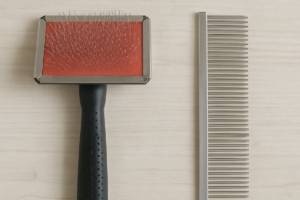
While a Golden Retriever’s shedding requires cleanup, their actual grooming is quite manageable. A good brushing once or twice a week is usually enough to remove loose fur, prevent tangles in their thick undercoat, and keep their skin healthy. A dedicated owner can easily handle nearly all of their grooming requirements at home with just a few basic tools.
That low-shedding Doodle coat, however, comes with a serious catch. Because the hair doesn’t fall out, it grows continuously, much like human hair. If not brushed daily down to the skin, it can easily form mats—tight, painful knots that pull on the skin and can lead to irritation and infection. This isn’t a suggestion; it is a non-negotiable daily commitment. Preventing these mats is one of the most important parts of keeping your Goldendoodle healthy and comfortable.
This is also where a major financial difference comes into play. In addition to daily brushing at home, a Goldendoodle requires professional grooming every 6 to 8 weeks for a full haircut. This can cost anywhere from $80 to over $150 per visit, depending on your location and the dog’s size. Factoring in this significant, recurring expense is essential. Just as their coats demand different levels of care, their energy levels also vary, requiring different approaches to exercise.
Energy Levels: Marathon Runner or Park Playmate?
Neither of these dogs is a couch potato. Both breeds are active and intelligent, requiring at least 60 minutes of daily exercise to stay happy, healthy, and out of trouble. A tired dog is a well-behaved dog, and a short walk around the block simply won’t be enough for a Golden Retriever or a standard-sized Goldendoodle. This daily commitment is a crucial factor for any prospective owner to consider.
For a Golden Retriever, that energy is often purpose-driven. Bred for long days of retrieving waterfowl, they thrive on having a job to do. This makes them fantastic partners for activities like hiking, swimming, and endless games of fetch. Their joy comes from engaging with you in a task, which is a wonderful way to build a strong bond. Without this kind of mental and physical outlet, their pent-up energy can lead to unwanted behaviors like chewing or digging.
A Goldendoodle’s exercise needs, on the other hand, can vary significantly because they come in different sizes. A Standard Goldendoodle, often weighing over 50 pounds, has energy levels comparable to a Golden Retriever and makes a great jogging companion. A Miniature Goldendoodle, however, may be perfectly content with brisk daily walks and a good play session in the yard. All that energy needs direction, which brings us to trainability.
Trainability Face-Off: Which Breed Is Easier for First-Time Owners?
Fortunately, when it comes to trainability, you’re looking at two A+ students. Both the Golden Retriever and the Goldendoodle inherit a strong desire to please and high intelligence, making them fantastic choices for first-time owners. They pick up on basic commands like “sit” and “stay” quickly and are very receptive to positive reinforcement (like treats and praise). However, the way they use their intelligence can create different training experiences.
The Golden Retriever’s trainability is legendary. Their deep-seated desire for your approval means they are constantly asking, “What can I do to make you happy?” This unwavering focus makes training incredibly straightforward. They thrive on clear instructions and consistent praise, mastering obedience with an earnest, tail-wagging enthusiasm that can feel almost foolproof for a novice trainer. This people-pleasing nature is a hallmark of the breed.
A Goldendoodle shares this intelligence but sometimes comes with a clever, mischievous streak, courtesy of its Poodle heritage. While they learn commands just as fast, their sharp minds can lead to boredom if they aren’t challenged. This means mental stimulation—like puzzle toys or learning new tricks—is just as important as physical exercise to keep them from inventing their own, less-desirable fun. Keeping a dog happy in both body and mind is a huge part of ownership, which includes considering their long-term health.
Health & Lifespan: A Look at Long-Term Wellness
When you bring a dog into your family, you hope for a long, healthy life together. On average, Goldendoodles tend to have a slightly longer lifespan, typically 12 to 15 years, compared to the Golden Retriever’s 10 to 12 years. This small boost is sometimes attributed to the genetic diversity that comes from mixing two different breeds.
However, no dog is without potential health concerns, and both of these popular dogs share some common risks. Because they are larger breeds, both are susceptible to joint problems. Responsible breeders will screen their dogs for these issues, but you should know the most common ones:
- Hip and Elbow Dysplasia: A painful genetic condition where the joint doesn’t form correctly, often leading to arthritis later in life.
- Certain Eye Conditions: Including cataracts that can cloud their vision.
- Heart Issues: Specific conditions that can affect heart function.
Beyond those shared vulnerabilities, each dog has its own specific health watch-list. For Golden Retrievers, it’s an unfortunate reality that the breed has a well-documented, higher-than-average risk for developing certain types of cancer. For Goldendoodles, the most frequent complaints stem from their famous coat and floppy ears. Those adorable features can trap moisture and debris, making them prone to chronic ear infections and skin allergies that require consistent monitoring and care.
The Final Verdict: Which Dog Is the Right Fit for YOU?
This isn’t just a choice between a teddy bear cut and a classic golden coat; it’s about understanding the trade-offs between charming variability and beloved predictability. By looking past the surface-level differences, you can see two distinct lifestyle choices and find the perfect fit for your home.
To make the choice crystal clear, consider your personal priorities:
- Choose a Golden Retriever if: You value a predictable temperament, love the classic look, don’t mind shedding, and want an enthusiastic partner for activities like fetch.
- Choose a Goldendoodle if: A low-shedding coat is essential, you are prepared for the commitment of daily brushing and professional grooming costs, and you embrace a bit of delightful variety.
While research is a fantastic starting point, nothing replaces real-world interaction. Before making a final decision, your single most important next step is to spend time with well-behaved adults of both breeds. This is your chance to feel the difference in their coat textures, see their energy levels firsthand, and discover which personality truly clicks with yours.
Ultimately, choosing between a Golden Retriever and a Goldendoodle isn’t about finding the “best” dog—it’s about honestly assessing your lifestyle to find the best dog for you. Make an informed choice, and you’ll be promised years of happy companionship with your new best friend.


