 Skip to content
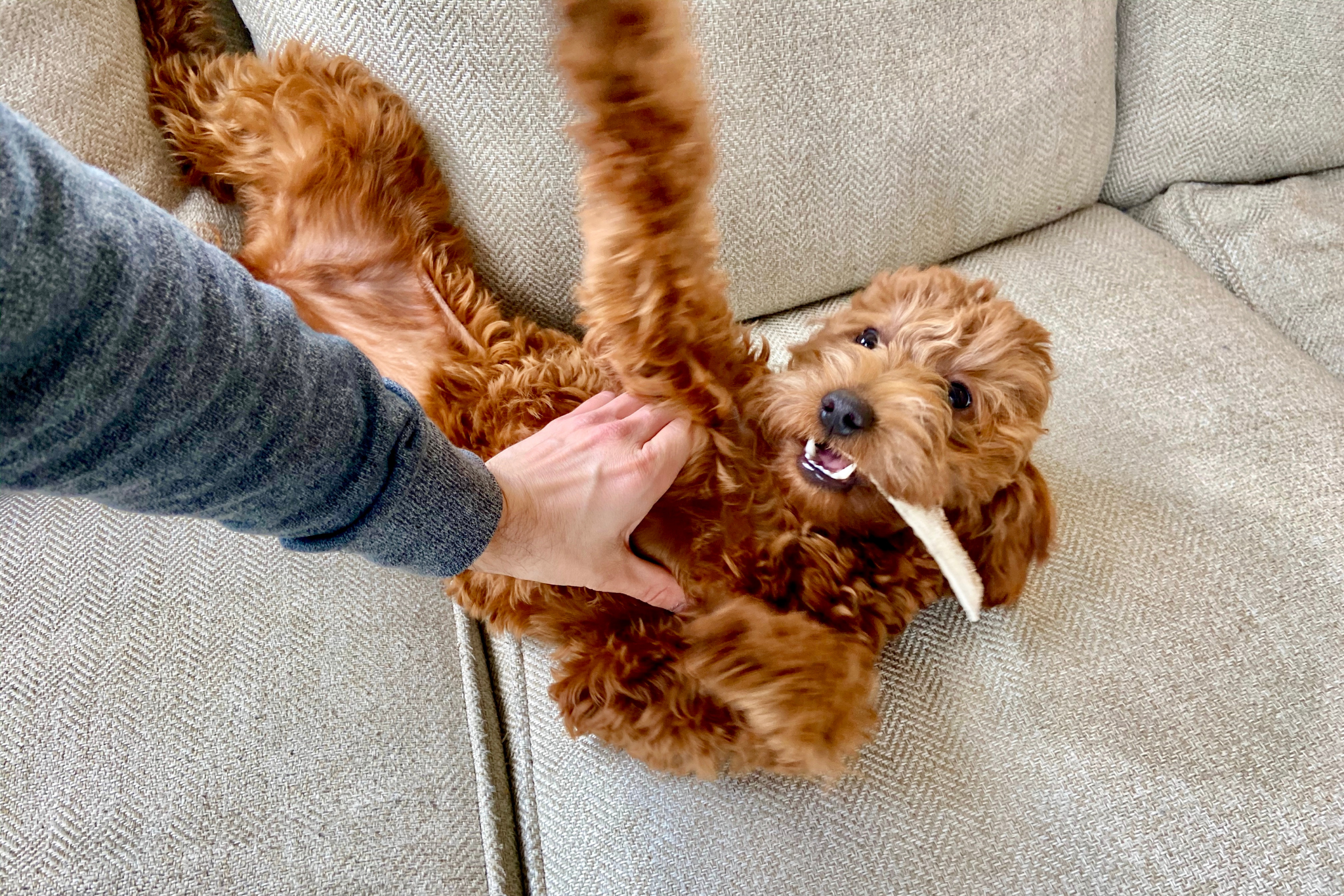
In this comprehensive guide, we’ll cover everything you need to know about caring for your apricot Goldendoodle puppy, from understanding their unique characteristics and preparing your home, to grooming, feeding, training, and ensuring their overall health and wellness.
The apricot Goldendoodle is a popular Doodle breed, known for its friendly temperament and curly coat. This hybrid breed typically inherits the intelligence of a Poodle and the gentle nature of a Golden Retriever. The apricot coloring, a warm and inviting shade, adds to their charm. To truly appreciate these endearing puppies, it helps to delve deeper into their characteristics and what makes them such a desirable breed.
Characteristics of the Breed
Goldendoodles are known for their versatility in size and appearance, depending on the Poodle parent’s size. They can be standard, miniature, or toy, offering a range of options for potential owners with different living conditions and preferences. This flexibility in size makes them suitable for various home environments, from apartments to large houses with backyards. Apricot Goldendoodles are also prized for their hypoallergenic coats, making them a great choice for families with allergies. However, regular grooming is essential to keep their coat healthy and tangle-free, which we will discuss in more detail later.
Temperament and Behavior
Goldendoodles are celebrated for their friendly and sociable nature. They thrive on human interaction and are known to be excellent companions for families, including those with young children. Their gentle disposition and playful behavior make them a joy to be around. It’s important to note that these dogs are highly intelligent and require mental stimulation to prevent boredom, which can lead to undesirable behaviors. Understanding their temperament helps in tailoring their training and socialization processes effectively.
Lifespan and Health Considerations
The apricot Goldendoodle, like many hybrid breeds, tends to have a longer lifespan than some purebred dogs, often living between 10 to 15 years. While they generally enjoy good health, it’s crucial to be aware of potential genetic health issues such as hip dysplasia, ear infections, and allergies. Regular veterinary check-ups and a healthy lifestyle can help mitigate these risks and ensure your Goldendoodle lives a long, healthy life.
Preparing Your Home
Before bringing your apricot Goldendoodle puppy home, it’s important to puppy-proof your living space. This preparation ensures a safe and welcoming environment for your new furry friend. Let’s explore how you can make your home ready for the arrival of your Goldendoodle.
Puppy-Proofing Essentials
To puppy-proof your home, start by removing any hazardous items that might pose a risk to your curious pup. This includes securing electrical cords, removing small objects that could be swallowed, and keeping toxic plants out of reach. Ensure that cleaning supplies and medications are safely stored away in cabinets or high shelves. Consider using baby gates to block off restricted areas and keep your puppy in safe zones.
Creating a Comfort Zone
Your Goldendoodle will need a designated space where they can feel comfortable and secure. Set up a cozy corner with a comfortable bed, where your puppy can retreat to for rest and relaxation. This area should be away from high-traffic zones to provide a sense of peace. Additionally, have food and water bowls set up nearby, along with a variety of toys to keep them entertained.
Gathering Essential Supplies
Before your puppy arrives, make sure you have all the necessary supplies on hand. This includes a high-quality crate for training and travel, chew toys to satisfy their teething needs, and grooming tools for their coat care. Having these essentials ready will make the transition smoother for both you and your new puppy.
Feeding Your Goldendoodle Puppy
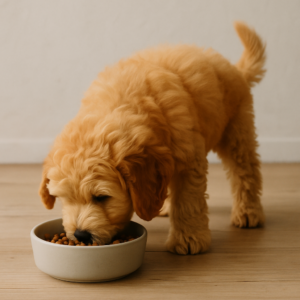
Proper nutrition is crucial for your puppy’s growth and development. A well-balanced diet lays the foundation for a healthy and active life. Let’s delve into the specifics of feeding your Goldendoodle puppy to ensure they thrive.
Choosing the Right Puppy Food
Selecting a high-quality puppy food formulated for medium to large breeds is essential. Look for options rich in proteins, fats, and essential vitamins to support their growth. It’s beneficial to choose a brand that uses real meat as the primary ingredient and avoids fillers like corn and soy. Consulting your veterinarian can provide personalized recommendations based on your puppy’s specific needs.
Establishing a Feeding Schedule
A consistent feeding schedule is important for maintaining your puppy’s digestive health. Typically, Goldendoodle puppies should be fed three to four times a day until they reach six months of age. Afterward, you can gradually transition to two meals a day. Monitoring your puppy’s weight and adjusting portion sizes accordingly is crucial to prevent obesity and ensure they receive adequate nutrition.
Monitoring Dietary Changes
As your Goldendoodle grows, their dietary needs will evolve. Regularly assess their weight and body condition to determine if adjustments in their diet are necessary. It’s important to introduce any dietary changes gradually to avoid digestive upset. Always have fresh water available to keep your puppy hydrated, and consider incorporating healthy treats for training and positive reinforcement.
Grooming and Coat Care
Goldendoodles have a unique coat that requires regular grooming to prevent matting and tangling. Proper coat care is not only about aesthetics but also about maintaining your puppy’s overall health and comfort.
Establishing a Grooming Routine
To keep your Goldendoodle’s coat in top condition, brush it at least three times a week using a slicker brush. This helps remove loose hair and prevents tangles from forming. Regular baths, approximately every four to six weeks, are essential to keep their coat clean and smelling fresh. During baths, use a dog-safe shampoo to avoid skin irritation.
Essential Grooming Tools
Investing in high-quality grooming tools makes the grooming process more effective and enjoyable for both you and your puppy. A slicker brush is ideal for removing tangles, while a detangling spray can help manage stubborn knots. Additionally, keep a pair of dog nail clippers and ear cleaning solution on hand to maintain your Goldendoodle’s overall hygiene.
Nail and Ear Care
Regular nail trimming is vital to prevent overgrowth and discomfort for your puppy. Aim to trim their nails every three to four weeks, or as needed. Similarly, ear cleaning is crucial to prevent infections, especially for Goldendoodles with floppy ears. Gently clean their ears with a veterinarian-recommended solution to remove dirt and excess wax.

Training Your Goldendoodle Puppy
by Hazek Cheung (https://unsplash.com/@hazelxi91013)
Training your Goldendoodle puppy is an essential part of their care. These intelligent dogs respond well to positive reinforcement methods, such as treats and praise. Establishing a strong foundation in training will set the stage for a well-behaved and happy pet.
Basic Commands and Positive Reinforcement
Begin training your Goldendoodle with basic commands like “sit,” “stay,” and “come.” Use positive reinforcement techniques, rewarding them with treats and praise for successful actions. Consistency is key, so practice these commands daily to reinforce good behavior. As your puppy masters the basics, gradually introduce more advanced commands to keep them engaged and challenged.
Socialization and Exposure
Socialization is key to raising a well-adjusted Goldendoodle. Expose your puppy to different environments, people, and other animals to help them develop confidence and reduce the risk of behavioral issues. Arrange playdates with other dogs, visit parks, and introduce them to various sounds and experiences. This exposure will help your puppy become comfortable in diverse situations.
Crate Training and Housebreaking
Crate training can be a valuable tool for housebreaking your puppy and providing them with a safe space. Choose an appropriately sized crate and make it inviting with a soft bed and toys. Gradually acclimate your puppy to the crate, ensuring it’s not used as a form of punishment. Consistent potty training routines, combined with crate training, will help your Goldendoodle learn where and when it’s appropriate to relieve themselves.
Health and Wellness
Regular veterinary visits are essential to monitor your puppy’s health and administer vaccinations. By prioritizing their health and wellness, you can ensure a long and happy life for your Goldendoodle.
Vaccination and Preventative Care
Discuss a vaccination schedule with your vet to protect your Goldendoodle from common diseases. Core vaccines typically include distemper, parvovirus, and rabies. Additionally, consider spaying or neutering your puppy to prevent unwanted litters and contribute to their overall health. Regular check-ups will allow your vet to detect any potential health issues early and provide appropriate care.
Common Health Concerns
Goldendoodles are generally healthy dogs, but they can be prone to certain health issues like hip dysplasia, ear infections, and allergies. Understanding these potential concerns allows you to take preventative measures. Regular exercise, a balanced diet, and routine grooming can help minimize these risks and promote your Goldendoodle’s well-being.
Parasite Prevention
Parasite prevention is an important aspect of your Goldendoodle’s health care. Use veterinarian-recommended flea and tick preventatives to protect your puppy from infestations. Additionally, discuss heartworm prevention with your vet, as these parasites can be life-threatening if not addressed.
Exercise and Playtime
Goldendoodles are energetic dogs that require regular exercise to stay healthy and happy. Providing them with ample opportunities for physical activity and play is crucial for their overall well-being.
Establishing an Exercise Routine
Daily walks are a staple of your Goldendoodle’s exercise routine. Aim for at least 30 minutes of walking each day, complemented by playtime in the yard or at a nearby park. Engaging in activities like fetch or agility training not only provides physical exercise but also challenges their minds and fosters a strong bond between you and your puppy.
Mental Stimulation and Interactive Toys
Mental stimulation is just as important as physical exercise for your Goldendoodle. Puzzle toys, treat-dispensing toys, and training exercises can help keep their mind sharp and prevent boredom-related behaviors. Rotate their toys regularly to maintain their interest and encourage problem-solving skills.
Engaging in Bonding Activities
Exercise and playtime provide excellent opportunities for bonding with your Goldendoodle. Participate in activities that you both enjoy, whether it’s playing fetch, going for a hike, or attending dog-friendly events. These shared experiences strengthen your relationship and create lasting memories.
Building a Bond
Developing a strong bond with your apricot Goldendoodle puppy is crucial for a harmonious relationship. Your puppy looks to you for companionship, guidance, and affection. Let’s explore ways to nurture this bond and create a lifetime of companionship.
Quality Time and Affection
Spend quality time with your puppy daily. Engage in play, grooming, and training sessions to reinforce your bond. Shower your Goldendoodle with love and attention, as they thrive on human interaction. This emotional connection will form the foundation for a trusting and fulfilling relationship.
Consistency and Communication
Consistency in your interactions is key to building trust with your puppy. Use clear and consistent commands during training and communicate your expectations through body language and tone. By being a reliable source of guidance, your Goldendoodle will learn to look to you for direction and security.
Celebrating Milestones Together
Celebrate your Goldendoodle’s achievements and milestones, whether it’s mastering a new command or reaching a health milestone. These celebrations not only reinforce positive behavior but also strengthen your bond by showing your puppy that their efforts are recognized and appreciated.
Conclusion
Caring for an apricot Goldendoodle puppy involves a commitment to their physical, mental, and emotional well-being. With proper care, training, and socialization, your Goldendoodle will grow into a loving and loyal companion. Remember, the effort you invest in your puppy’s early years will pay off in a lifetime of joyous moments together.
By following this guide, you’ll be well-equipped to provide the best possible care for your apricot Goldendoodle puppy, ensuring they thrive in your home and become a cherished member of your family. Embrace the journey with your furry friend, and enjoy the countless adventures and memories you’ll create together.


