 Skip to content
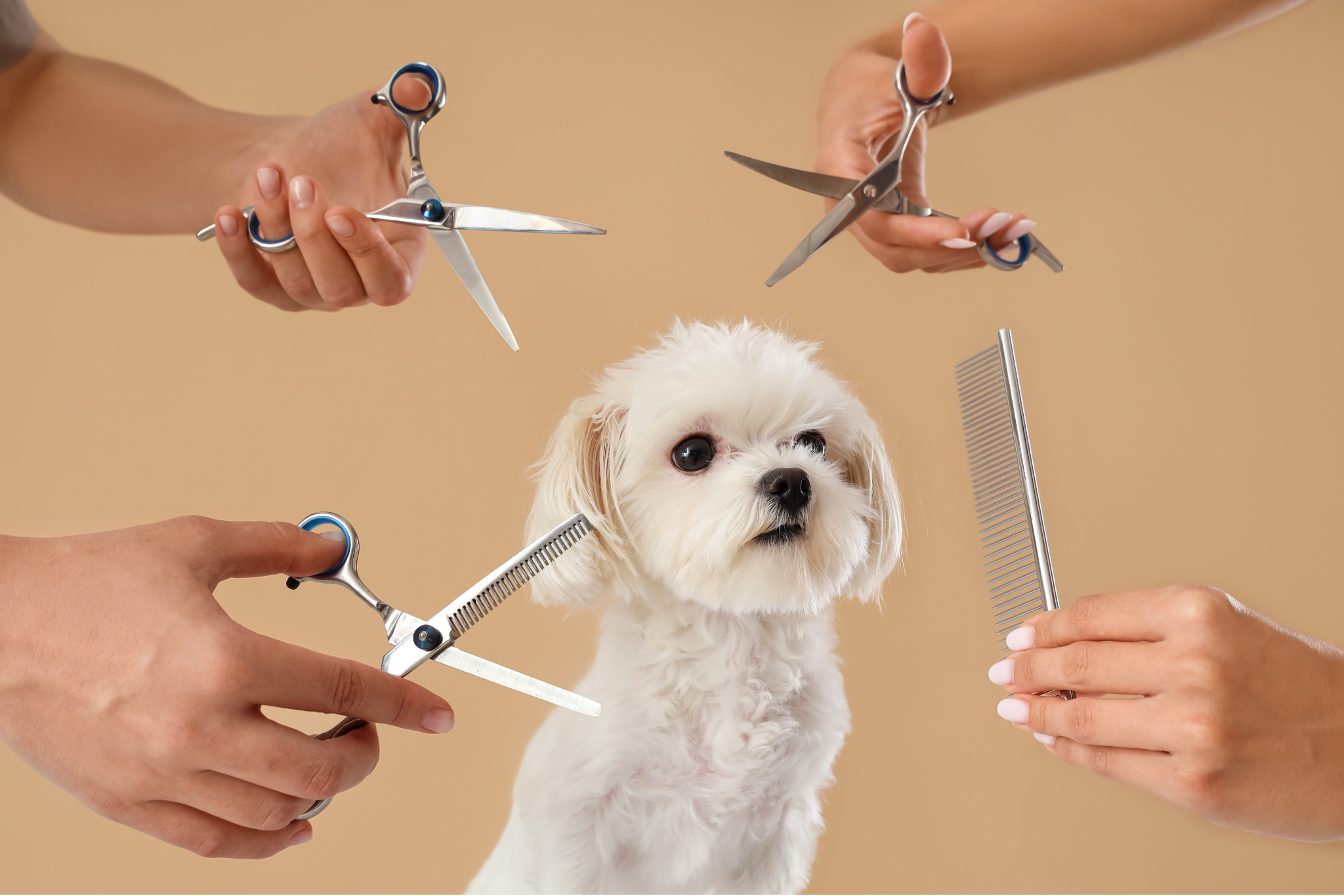
You’ve seen them everywhere: adorable, fluffy dogs that look like living teddy bears, happily trotting alongside their owners. The mini doodle dog has become one of America’s most sought-after companions, celebrated online for its charming looks and supposedly low-maintenance lifestyle. But are they truly the perfect, no-shed family pet that everyone claims?
Unlike a Poodle or a Labrador Retriever, a “doodle” isn’t a formal, recognized breed. It is a popular crossbreed—a mix created by pairing a Poodle with another purebred dog. This simple fact is the source of much confusion, as it means a puppy’s size, coat, and even temperament can be less predictable than you might think.
This is where the dream of a mini doodle dog often collides with reality. That irresistibly fluffy coat, for instance, is far from maintenance-free. In practice, professional groomers warn that it requires constant brushing to prevent painful matting and can easily cost an owner over $1,000 per year. To help you separate fact from fiction, this guide unpacks what it truly takes to give a mini doodle dog a happy, healthy life.
What is a ‘Mini Doodle’? A Simple Recipe for the Perfect Companion
A mini doodle isn’t one specific, official breed. Instead, think of it as a popular “recipe” for a companion dog. The simple formula is to cross a purebred dog with a Miniature or Toy Poodle. The “doodle” part comes from the Poodle parent, and the “mini” part means a smaller-sized Poodle was used to create a more compact, apartment-friendly dog.
The Poodle is the key ingredient in all these popular mixes for three important reasons. First, Poodles are famous for their intelligence, which makes their puppies easier to train. Second, they have a unique, curly coat of hair (not fur) that sheds very little, which is a huge plus for neat freaks and those with mild allergies. Finally, using a Miniature or Toy Poodle in the mix is how breeders create small poodle mixes that fit comfortably into a wider variety of homes and lifestyles.
This simple recipe has led to dozens of popular combinations. Knowing the parent breeds is the key to deciding between, for example, a mini goldendoodle vs mini bernedoodle. Here are some of the most common mixes you’ll encounter:
- Mini Goldendoodle: A friendly Golden Retriever mixed with a Miniature Poodle.
- Mini Bernedoodle: A loyal Bernese Mountain Dog mixed with a Miniature Poodle.
- Mini Labradoodle: A playful Labrador Retriever mixed with a Miniature Poodle.
- Mini Sheepadoodle: A gentle Old English Sheepdog mixed with a Miniature Poodle.
Mini Goldendoodle vs. Bernedoodle: Which Teddy Bear Fits Your Lifestyle?
At first glance, these two popular mixes might seem nearly identical, but their personalities are shaped by that crucial non-Poodle parent. Choosing between a mini goldendoodle vs mini bernedoodle is less about looks and more about matching their inherited energy to your daily life. Think of it as choosing between a hiking buddy and a cuddle companion.
The Mini Goldendoodle gets its boundless enthusiasm from its Golden Retriever heritage. These dogs are often social, playful, and energetic, inheriting the Retriever’s classic “never met a stranger” attitude. This makes their small doodle breeds temperament with kids fantastic, as they are typically eager to join in on family games and adventures. If you’re an active family looking for a furry friend to take on walks, to the park, and on weekend trips, the lively Goldendoodle could be your perfect match.
In contrast, the Mini Bernedoodle draws its personality from the calm and loyal Bernese Mountain Dog. While still playful, they are generally more laid-back and can be content with a brisk walk followed by a long nap on the couch. This slightly lower energy level often makes them the best small doodle for apartment living. They tend to be deeply devoted to their families but can sometimes be a bit more reserved with new people, inheriting the Bernese’s watchful nature.
Ultimately, the right choice depends entirely on your lifestyle. Do you want a spirited jogging partner or a sweet-natured shadow who will follow you from room to room? Beyond personality, the famously low-shedding coat is another major factor, which depends on breeder codes like “F1” or “F1b.”

F1 vs. F1b Doodle: What Do These Codes Mean for Your Allergies and Your Vacuum?
When you start looking at puppies, you’ll see breeders use codes like “F1.” Think of an F1 mini doodle as the first-generation, 50/50 mix—a direct cross between a purebred Poodle and another breed, like a Golden Retriever. The outcome for their coat is a genetic coin toss. While always charming, an F1’s coat is unpredictable; some get the Poodle’s curly hair, but others might inherit a flatter, shedding coat. This makes it a gamble if you’re hoping for a non-shedding small designer dog breed.
To create a more reliable low-shedding coat, breeders produce the “F1b” generation. The “b” simply means an F1 doodle was bred back to a purebred Poodle, resulting in a puppy that is about 75% Poodle. The F1b miniature doodle characteristics are highly sought-after because with more Poodle genetics, they are far more likely to have the curly, fleecy coat that doodle lovers want. So, are small poodle mixes hypoallergenic? An F1b is the closest you can get, making it a much safer bet for people with mild allergies.
Knowing this difference empowers you when speaking with a breeder. If a low-shedding coat is your top priority, you can confidently say you are looking for an F1b puppy to get the best odds for that fluffy, vacuum-friendly fur. However, that beautiful, curly coat doesn’t stay tangle-free on its own and comes with a significant grooming commitment.
The Hidden Cost of Cuteness: A Realistic Guide to Grooming Your Mini Doodle
That adorable, low-shedding coat comes with a very important catch: it is extremely high-maintenance. A doodle’s soft, curly hair doesn’t fall out, so loose and dead hairs get trapped within the coat. Without daily attention, these trapped hairs quickly form tangles that tighten into painful mats against your dog’s skin. Matting is not just a cosmetic issue; it can pull on the skin, causing constant pain, bruising, and even serious skin infections that require a veterinary visit.
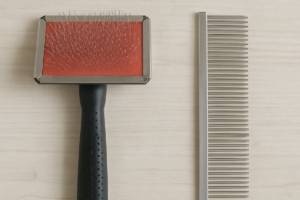
This isn’t a quick once-over with a brush. Learning how to groom a curly coat doodle at home is your first line of defense, requiring a 10-15 minute commitment every single day. You must brush in sections, parting the hair to ensure you reach the skin and remove any hidden tangles. To do this effectively, you’ll need the right tools:
- Slicker Brush: For brushing the outer coat and removing surface-level tangles.
- Metal Comb: The most important tool. After brushing, you must be able to glide the comb from the skin to the tips of the hair everywhere on your dog’s body. If it snags, you’ve found a knot.
Even with diligent daily brushing, professional grooming is a non-negotiable part of caring for your mini doodle. Expect to visit a professional groomer every 6 to 8 weeks for a full haircut. This is a significant financial commitment, with appointments typically costing between $80 and $150, depending on your location and your dog’s condition. This is a crucial part of your budget that many first-time owners forget to consider.
Ultimately, the “low-shedding” benefit of a doodle coat is a trade-off. You trade vacuuming for daily brushing and significant grooming expenses. While their smaller miniature doodle size and weight makes the task more manageable than with a larger dog, it’s a serious commitment. But grooming is just one part of daily care; that energetic Poodle mind also needs a healthy outlet.
Beyond the Backyard: How Much Exercise Does a Mini Doodle Really Need?
Don’t let their small size fool you; these are not couch potato dogs. A mini doodle inherits a surprising amount of energy and intelligence from its Poodle parent. To keep them happy and healthy, you should plan for 45 to 60 minutes of dedicated activity every single day. This daily commitment is crucial, as a quick trip outside for potty breaks will not be enough to prevent boredom.
Just as important as tiring out their legs is engaging their mind. A bored doodle can easily become a destructive one, channeling its cleverness into chewing furniture or nuisance barking. This is where mental stimulation comes in. Because they are so smart, training a miniature poodle mix is often a joy, but that same brain needs a regular “job” to do. Simple games, learning new tricks, or sniffing for hidden treats can work wonders.
A great daily routine balances both body and mind, which is essential even for the best small doodle for apartment living. Imagine a brisk 20-minute walk in the morning, a game of fetch in the afternoon, and then 10 minutes in the evening with a puzzle toy. A puzzle toy is a special toy you fill with kibble that your dog has to roll or nudge to get the food out. It’s a perfect way to satisfy their problem-solving instincts and ensure a calm, content companion.
The “Hypoallergenic” Myth: The Real Truth About Doodles and Allergies
It’s often the number one reason families seek out these dogs: the promise of a sniffle-free, “hypoallergenic” companion. The question of are small poodle mixes hypoallergenic is a big one, but the answer isn’t a simple yes or no. The reality is that no dog is 100% hypoallergenic, but a mini doodle can be a fantastic choice for many people with allergies.
Contrary to popular belief, allergic reactions aren’t typically caused by a dog’s hair. The real culprits are proteins found in their dander (tiny, invisible skin flakes) and saliva. When a dog sheds, it releases dander-covered hair into the environment, triggering sneezing and itchy eyes. Because every single dog has skin and saliva, a truly allergen-free dog doesn’t exist.
This is where the Poodle parentage becomes so important. Doodles are often considered excellent non-shedding small designer dog breeds because their curly, hair-like coats don’t fall out as much as typical dog fur. Less shedding means far less dander floating around your furniture and in the air. For the most reliable coat, the F1b miniature doodle characteristics (having more Poodle in the mix) make it the go-to choice for allergy sufferers.
Ultimately, your own body is the only reliable test. Before you bring a puppy home, it is crucial to spend time around the specific type of doodle you are considering. Visit the breeder, or if you have a friend with one, spend an hour or two in their home. This real-world exposure is the best way to know if this charming mix is the right fit for your family and your sinuses.
Protecting Your Pup: Common Health Problems in Poodle Mixes
One of the biggest hopes with a mixed-breed dog is that they will be healthier than their purebred parents, an idea often called “hybrid vigor.” While mixing genetics can sometimes reduce the risk of inherited issues, it’s not a magic shield. A mini doodle can unfortunately inherit health problems from both its Poodle and its retriever or mountain dog parent. Some of the most common health problems in poodle mixes include joint issues like hip dysplasia (a painful condition where the hip socket doesn’t form correctly) and certain eye or heart conditions.
This is where your choice of breeder becomes the single most important factor in your puppy’s future health. A responsible breeder invests heavily in preventing these issues from being passed down. Instead of just hoping for the best, they perform extensive health testing on the parent dogs before they are ever bred. This is a non-negotiable part of choosing a reputable doodle breeder, and they should be proud to show you the certifications.
When you speak to a breeder, don’t be shy about asking for proof of these health clearances. These tests are expensive, which is a major reason why the average cost of a miniature doodle puppy from a quality source is higher. You are paying for a better-than-average chance at a long, healthy life for your dog. Key tests to ask about include:
- Hip & Elbow Dysplasia: OFA or PennHIP certification
- Eye Conditions: A recent exam from a canine ophthalmologist (CAER)
- Heart Conditions: A clearance from a canine cardiologist
By prioritizing health testing, you are not just buying a puppy; you are making a wise investment in a future family member.
The Real Price of a Mini Doodle: Breaking Down the Puppy and Lifetime Costs
This commitment to health testing directly influences the puppy’s price. The average cost of a miniature doodle puppy from a dedicated breeder can range from $2,000 to over $5,000. While that number can be shocking at first, it’s crucial to understand what it represents. You aren’t just paying for a puppy; you are paying for the peace of mind that comes from a breeder who has invested thousands in the health, genetics, and early-life care of their dogs before you ever meet them.
That high price tag directly reflects the breeder’s commitment. It covers the extensive health clearances for the parent dogs, prenatal vet care for the mother, high-quality nutrition, initial vaccinations for the puppies, and countless hours spent socializing them. This early socialization helps shape a confident and friendly miniature doodle full grown. When you are choosing a reputable doodle breeder, you are selecting a partner who has prioritized giving your puppy the best possible start in life, significantly reducing the risk of future heartbreak and expensive vet bills.
Conversely, a surprisingly low price should be seen as a major red flag. A “bargain” puppy often means corners were cut in the most critical areas: health, safety, and socialization. The initial savings can quickly be erased by thousands of dollars in vet bills needed to treat preventable genetic conditions. In the end, investing in a well-bred puppy isn’t just the ethical choice—it’s often the most financially sound one. So how do you tell the difference between a great breeder and a dangerous shortcut?
Your Breeder Checklist: 5 Red Flags to Spot and 5 Green Flags to Look For
Navigating the world of dog breeders can feel overwhelming, but knowing what to look for is the single most important step in bringing home a healthy puppy. When you’re choosing a reputable doodle breeder, you’re looking for a partner, not just a salesperson. Their goal is to find the perfect home for their puppy, which means they should be just as interested in you as you are in them. A low-quality breeder or puppy mill, on the other hand, is only interested in making a quick profit, often at the expense of the dogs’ health and well-being.
To protect yourself and find a wonderful companion, use this simple checklist. The differences between an ethical breeder and a dangerous operation become clear very quickly.
- Red Flags (Walk Away):
- Sells puppies for a “bargain” price (under $1,500).
- Always has puppies available and offers multiple breeds.
- Won’t let you see where the puppies or mother dog live.
- Pressures you to make an instant decision or payment.
- Cannot provide health certificates for the parent dogs.
- Green Flags (Proceed with Confidence):
- Often has a waitlist for their puppies.
- Asks you lots of questions about your home and lifestyle.
- Proudly shows you health clearances and explains them.
- Encourages you to meet the mother dog (and dad if he’s on-site).
- Offers a health guarantee and lifetime support for the puppy.
A great breeder will be an open book. They’ll happily discuss why they chose the parents and explain things like the expected F1b miniature doodle characteristics if that’s the mix you’re interested in. They are placing a beloved family member, not selling a product. Spotting these green flags doesn’t just lead to a healthier dog—it supports ethical breeding practices that put the animals first.
Is a Mini Doodle the Right Dog for You? Your Final Decision Checklist
You now see a mini doodle not just as an adorable face, but as a complete picture: a brilliant, energetic companion with a very demanding haircut. You’ve moved beyond the initial “wow” factor to understand the real commitment involved. This knowledge is your most powerful tool in deciding if this is the right dog for you.
The final step isn’t about choosing the perfect puppy—it’s about honestly assessing if you are the perfect owner. This is the key to successfully caring for your mini doodle dog.
Ask Yourself Honestly:
- Is a $100-$150 grooming bill every 6-8 weeks in my budget?
- Do I have 45-60 minutes every single day for walks and playtime?
- Am I prepared to brush my dog’s coat daily to prevent painful mats?
- Am I looking for a smart, trainable companion and willing to be consistent?
- Have I researched breeders and prepared to invest in a well-bred puppy?
If you answered “yes” to these questions without hesitation, then you’re prepared for more than just a pet. You understand the trade-offs and are ready for the responsibility a miniature doodle full grown requires, even if you’re looking for the best small doodle for apartment living. You’re ready for an incredible, intelligent, and loving companion to join your life.


