 Skip to content
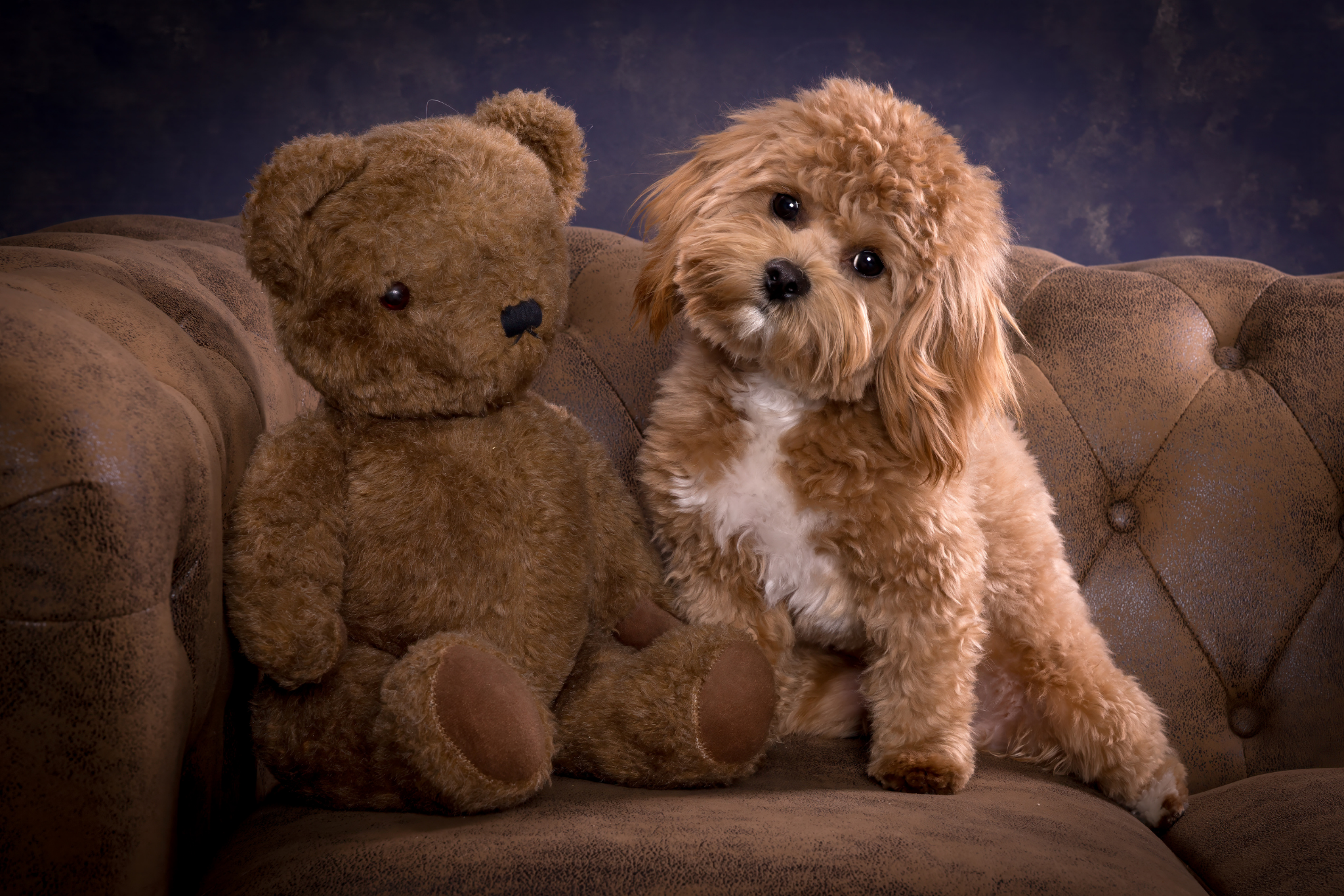
Have you found yourself scrolling through photos of those impossibly cute, small fluffy dogs that look just like living teddy bears? With their button noses and cuddly appearance, it’s easy to fall in love.
Before you start your search, know that “teddy bear dog” isn’t one single, official breed. It’s a popular nickname for several types of dogs, most often a mix between purebreds like a Shih Tzu and a Bichon Frise. Their looks and personalities can be a unique surprise, and their famously fluffy coats come with a non-negotiable grooming commitment.
This guide provides a clear plan to confidently navigate your search, from telling a responsible breeder from a scam to finding a healthy, happy companion to join your family.
What Exactly IS a “Teddy Bear Dog”?
The term “teddy bear dog” is a descriptive nickname for a specific type of mixed-breed dog, often called a designer dog. It’s a label for a pup with that signature round face, button nose, and fluffy, cuddly appearance.
Most often, the name refers to a Shichon—sometimes also called a Zuchon—which is a cross between a Shih Tzu and a Bichon Frise. Another incredibly popular combination is the Maltipoo, a mix of a Maltese and a Miniature Poodle. These parent breeds are specifically chosen to create a small companion with a soft, low-shedding coat.
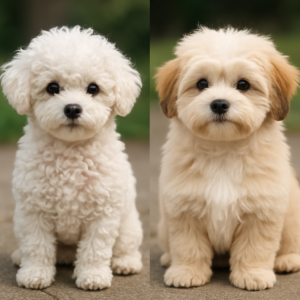
Because a teddy bear dog isn’t a standardized breed, their appearance can vary. One Maltipoo might have the curly fur of its Poodle parent, while its littermate has the wavier coat of a Maltese. This charming variety means that no two teddy bear dogs are exactly alike, and traits like final adult size and coat texture can be a delightful surprise.
The “Surprise Package” Factor: Why Size, Coat, and Temperament Can Vary
Because your puppy has two different purebred parents, predicting its adult traits is like getting a surprise mix of features. One puppy in a litter might end up with the shorter legs of a Shih Tzu, while another inherits the slightly longer legs of a Bichon Frise. This genetic lottery determines the full grown teddy bear dog size, which can range anywhere from 6 to 15 pounds depending on the specific mix.
This same principle applies to their famous coats. While many seek out hypoallergenic small fluffy dogs, no dog is 100% allergen-free. These pups are often great choices for people with mild allergies because they are small dog breeds that don’t shed very much, but the exact texture and care needs depend on which parent’s genes are more dominant.
What Could Your Puppy Inherit?
- A Poodle’s very curly, low-shedding coat OR a Cavalier’s silky, higher-shedding coat.
- A Bichon’s playful, outgoing nature OR a Shih Tzu’s calm, lap-dog demeanor.
- A Maltese’s tiny frame (5-7 lbs) OR a Miniature Poodle’s larger frame (10-15 lbs).
The best way to get a clue about your future dog’s temperament and appearance is to learn about its parents. Seeing them in person gives you a valuable preview of their typical traits.
A Closer Look: Zuchon vs. Maltipoo Temperament and Care
To help you decide, let’s compare two of the most popular mixes: the Zuchon (or Shichon) and the Maltipoo. Understanding the difference in Zuchon vs. Maltipoo temperament can help you find the perfect companion for your home and lifestyle.
The Zuchon, a cross between a Shih Tzu and a Bichon Frise, often creates a sturdy, outgoing, and charmingly silly dog. Thanks to the friendly nature of both parents, a Shichon puppy tends to grow into an affectionate and playful companion, making them excellent family pets. However, they can inherit the Shih Tzu’s short snout, which sometimes leads to snoring or breathing issues in warm weather.
In contrast, the Maltipoo blends the gentle, devoted Maltese with the famously clever Poodle. These pups are often incredibly smart, sensitive, and eager to please, forming deep bonds with their owners. This intelligence means they thrive on training and mental engagement. As for health, both parent breeds can be prone to dental issues, so be prepared for a consistent tooth-brushing routine.
There is no “better” choice—only a better fit for you. A Zuchon might suit an active family that loves a comical sidekick, while a Maltipoo could be ideal for a person or couple seeking a clever and cuddly shadow.
The True Cost of a Teddy Bear Puppy: A Complete Budget Guide
Beyond the initial excitement, it’s wise to look at the numbers. From a responsible breeder, the price for a teddy bear puppy typically falls between $2,000 and $4,500. This initial investment covers a healthy start in life, but it’s only the beginning.
That famously fluffy coat requires professional grooming every 6-8 weeks to prevent painful tangles. A realistic first-year budget looks something like this:
- Puppy Purchase Price: $2,000 – $4,500
- Initial Vet Visits & Vaccinations: $300 – $500
- Supplies (Crate, Bed, Toys): $250
- Professional Grooming (6x per year at ~$120/session): $720
- High-Quality Food & Treats: $400
- Annual Total (First Year): $3,670 – $6,370+
It’s also smart to have a “rainy day” fund set aside. Because these dogs are mixes, they can inherit health issues from their parent breeds, like dental disease or knee problems. Having savings for unexpected vet bills provides crucial peace of mind.
The Most Important Step: Spotting a Great Breeder (and Avoiding Scams)
The difference between a responsible breeder and an online scammer or puppy mill is everything. One provides a healthy, well-socialized family member; the other often leads to heartbreak. Your goal in finding reputable designer dog breeders is to find someone who cares more about their puppies than their profits.
To protect yourself, use this simple checklist. A good breeder will proudly display all the “Green Flags,” while a puppy mill or scammer will show several “Red Flags.”
Green Flags (A Good Breeder)
- Insists on a phone or video call and asks you lots of questions.
- Encourages you to visit their home (or do a live video tour) to meet the puppy’s mother.
- Provides health records for the parent dogs.
- Focuses on one or two breeds only.
Red Flags (A Puppy Mill or Scam)
- Wants to meet in a parking lot or ship the dog sight-unseen.
- Has many different “designer” breeds available at all times.
- Pressures you to “buy now!” before the puppy is gone.
- Asks for payment via gift cards or untraceable wire transfers.
Transparency is key. A great breeder has nothing to hide. If a seller refuses to let you see where the puppy lives and who its mother is—even over a video call—that’s a dealbreaker. Trust your intuition; if a situation feels rushed, secretive, or too good to be true, walk away.
Key Questions to Ask a Breeder (and What Their Answers Mean)
Once you find a breeder who seems to match the “Green Flags” list, it’s time for a real conversation. Don’t feel shy; a responsible breeder will appreciate that you’ve done your homework. Have these three essential questions to ask your dog breeder ready:
- Can I see the health clearances for the parent dogs?
- What this means: This isn’t just a basic checkup. It’s special testing for inherited issues common in the parent breeds, like painful knee, hip, or eye problems. A good answer is, “Absolutely, I can show you the paperwork.” A vague answer like, “They’ve never been sick,” is a major red flag.
- Where are the puppies raised?
- What this means: You want a puppy raised in a home environment, not a separate kennel. A great answer is, “They’re right here in our living room with our family!” This ensures the puppy is used to the sights and sounds of a normal household.
- What have you done to socialize the puppies?
- What this means: Socialization is the process of gently introducing a puppy to new experiences so they grow up confident. A fantastic breeder will say, “We introduce them to the vacuum cleaner, different floor surfaces, and gentle handling by our family every day.”
The way a breeder answers tells you everything. They should be proud to share details about their dogs’ health and the loving start they provide. Clear, confident answers are a sign you’re on the right track.
Preparing Your Home for a New Teddy Bear Puppy
Before your new friend arrives, see the world from their tiny perspective. Get down on your hands and knees and look for dangers you might otherwise miss. Tuck away electrical cords, secure low-hanging blinds, and clear the floor of any potential hazards.
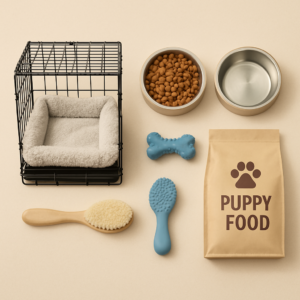
Next, have all the essential puppy supplies ready. Start with the same food the breeder was using to avoid upsetting your puppy’s stomach. You’ll also need food and water bowls, a soft-bristled brush to begin gentle daily grooming, and durable chew toys to redirect teething instincts.
Perhaps the most important item is a crate, which will become your puppy’s personal den. This cozy spot gives them a sense of security and is a cornerstone of any teddy bear puppy training guide, helping with house-training and keeping them safe when you can’t supervise them directly.
Final Checklist: Is a Teddy Bear Dog Your Perfect Match?
Deciding if a teddy bear dog is right for you is the final, most personal step. Because they are smart and affectionate, they can be great for first-time owners and families. Use this checklist to see if your lifestyle is a match.
A “Teddy Bear Dog” is a great fit if:
- [ ] You can commit to 10-15 minutes of daily brushing.
- [ ] You can budget ~$120 every 6-8 weeks for professional grooming.
- [ ] Someone is home for a good part of the day to keep them company.
- [ ] You want an affectionate, cuddly indoor companion.
By going beyond the cute photos and understanding the true commitment, you are preparing to be a responsible, informed, and compassionate owner. That is the foundation of a beautiful friendship that will last for years to come.


